
Malerkotla is a city in Punjab which was founded by Sufi Friars named Hazrat Sheikh Sadar-ud-Din (R). Common people also call him Baba Haider Sheikh.
The descendants of Hazrat Sheikh Sadar-ud-Din ruled Malerkotla for about 600 years, the chronological history of which is given below in different columns:
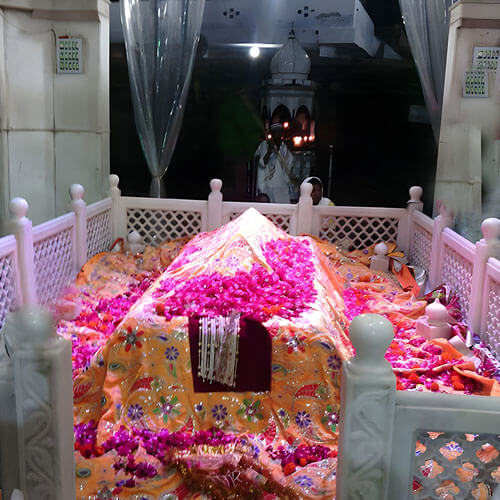
Hazrat Sheikh Sadar-Ud-Din ‘Sadar-e-Jahan’ (Reh.) is the founder of Malerkotla. People generally know him by the name ‘Hazrat Sheikh’ or ‘Baba Haider Sheikh’. He was kind, God fearing sufi darvesh elderly man, who was Sherwani Afghan by background and he was related to the Darawand town of the Khurasan region (Afghanistan). His father’s name was Sheikh Ahmed Zinda Peer and Sheikh Ali Shahbaz was his grandfather, their lineage goes back to paigambar Hazrat Yakoob’s (Aleh.) son Yahuda.
Hazrat Sheikh Sadar- ud-Din was born in 1434 A.D. He learnt Arabic, Persian and many other languages from Maulana Jamal-Ud-Din Khurasani and Hazrat Baha-Ud-Din Zakaria Multani’s(Reh.) grandson Hazrat Rukan-Ud-Din. It was upon his direction that he came to Hindustan in 1449 A.D and settled in Bhumsi area across the Satluj. After coming here Baba Hazrat Sheikh’s spiritual mysticism spread quickly throughout Hindustan. Even the then emperor Behlol Lodhi appreciated him very much. Impressed by appearance and spiritualism of Hazrat Sheikh he married his daughter Taj Murassa Beigum with him in 1454 A.D and also gifted him a large estate, where Malerkotla has been inhabited.
Hazrat Sheikh’s second marriage was solemnized with Murtaza Beigum (Bibi Rajan) who was daughter of Rai Behram Bhatti, the nawab Rajput of Kapurthala. Baba ji had three sons Sheikh Hassan, Sheikh Issa, Sheikh Mussa and a daughter Hafiza Beigum (Bibi Mangoo).
mubarak). At that time the town established by Baba Hazrat Sheikh had been inhabited. The responsibility of running and maintaining this small state was taken up by Sheikh Issa. Infact, Hazrat Sheikh had already made his second son Sheikh Issa as his successor during his lifetime.
Sheikh Issa became the first ruler of ‘Maler’ that was inhabited by Baba Hazrat Sheikh in 1515A.D. He was born in 1476 A.D. As Sheikh Issa was intellectual and fearless right from his childhood. So Baba Hazrat Sheikh had already decided during his lifetime that among all his children, he would be his successor. Thus according to his father’s wish, Sheikh Issa established his rule over the town of Maler. In 1493A.D Sheikh Issa got married to the daughter of Rai Suba Khan of Sonipat. After taking over the rule, Sheikh Issa Khan had to face opposition from his family members as well as other estates, but he wisely established his control and proved to be a good ruler. Sheikh Issa breathed his last in 1538 A.D at the age of 60 years. Before his death he appointed his only son Khan Muhammad Shah as his successor.
In 1538A.D Khan Muhammad Shah became the ruler of ‘Maler’. After ascending the throne Khan Muhammad Shah had to face the opposition by his Elder Uncle’s (Tayya) sons, who considered themselves as the heir to the throne. Their names were Mirza Khan and Suleman Khan. They killed Amir-e-Malerkotla (Mir Faisali), who had been appointed by Delhi government to ovrsee Malerkotla. At that time Humayun was the ruler of Delhi. As the result of Mir Faisali’s murder Humayun took away the whole estate of Khan Muhammad Shah.
Fortunately, after some time Humayun was defeated by Sher Shah Suri and the throne of Delhi was ascended by Sher Shah Suri. Taking advantage of the Pathan rule in Delhi, Khan Muhammad Shah
approached the Subedar of Sirhind. As a result he was once again given the authority to rule the ‘Maler’ state. But all this affected his health very much and he died in 1545 A.D. He had three sons Khawaja Maudood Khan (Khan Muhammad Ishaaq Khan), Shah Mansoor Khan and Sheikh Abdullah (Shah Muhammad Abdullah Khan).
After the death of Khan Muhammad Shah, his eldest son Khawaja Maudood Khan (Ishaaq Khan) ascended the throne in 1545 A.D. He was married in a Rajput family of Bazidpur and was very calm natured person. During his reign he always tried to keep ties with his annoyed relatives. He proved to be a very wise and took accurate decisions according to the situation. He successfully tried to remain neutral about the conflict between Sher Shah Suri and Humayun during his reign. Though he was very close to Sher Shah Suri but when Humayun ascended the throne of India again, he successfully got his approval.
Khawaja Maudood Khan breathed his last in 1566 A.D. He had two sons Khan Fateh Muhammad Khan and Abdur Rajaq Khan. The trone went to his elder son Khan Fateh Muhammad Khan.
Fateh Muhammad Khan became the ruler of ‘Maler’ in 1566 A.D. He was very calm and hard working by nature. After ascending the throne, he tried to improve the treasury of the state. Barren lands were made fertile during his reign. Crimes like theft and bribery were put to stop and mutual discords were settled. His administrative abilities greately impressed the Subedar of Sirhind. Pleased with Fateh Muhammad the Subedar of Sirhind gave him the authority to collect the taxes from the nearby areas also.
Fateh Muhammad’s first marriage was solemnized with a Rajput girl from the village Jhal. He didn’t have any child from this marriage. After this his second marriage was solemnized with an Afghan girl from Ropar, they had a son Bayzid Ali khan who was born in 1593 A.D. After him another son, Muhammad Bahawal Khan was born. Both his sons were the age of 7 and 5 when Fateh Muhammad khan died in 1600 A.D.
After the sudden demise of Fateh Muhammad Khan in 1600 A.D. his elder son Bayzid Ali Khan was chosen as his successor, but till the time he turned 24 the entire state was looked after by his mother, who was a very intelligent and brave Afghan lady.
Upon being young, Bayzid Ali Khan took over his responsibility over the state. He proved to be a wise ruler of his times who was able to win the praise by the emperor of Delhi Aurangzeb Alamgir. With the permission of emperor Aurangzeb he built a fort ‘Kotla’ near ‘Maler’, he also inhabited the fort ‘Kotla’. Later on both ‘Maler’ and ‘kotla’ combined to form the name of the city, which was first named as ‘Kotla Maler’ in 1656-57 A.D, but with the passage of time it became Malerkotla.
Bayzid Ali khan not only established ‘Kotla’ near ‘Maler’ but he also added to many other constructive contributions. Actually ‘Kotla’ refers to a walled habitat. Bayzid Khan built fortified walls (Khamads) around Kotla. These these 7 gates were also placed. These gates were named Sirhindi Gate, Mandi Gate, Maleri Gate, Dhabi Gate, Sherwani Gate, Sunami Gate and Delhi Gate.
Bayzid Ali khan also performed many government duties assigned by Emperor Aurangzeb. Pleased with Bayzid Ali Khan’s services Emperor Aurangzeb not only permitted Bayzid to expand his territory, but also in 1657 A.D, he was the first ruler to be given the title of ‘Nawab’ with his name as well as those who would be his successors. After this in 1658A.D, Nawab Bayzid Ali Khan was given the titles of, ‘Asad-Ulla-Jung’ and ‘Saif- Ul-Mulak’ by emperor Aurangzeb. Nawab Bayzid Ali khan breathed his last in 1659A.D. The place where he was buried after death is now known by the name of Muhalla Baradari and the people of the city remember Saif Ul Mulak Nawab Bayzid Ali Khan as Baba Wajid Shah.
Nawab Bayzid Ali Khan had five sons from two wives; their names are Firoz Khan, Hussain khan, Birbal Khan, Sarwar Khan and Muhammad Ikhtiaar Khan.
Nawab Firoz Khan ascended the throne of Malerkotla in 1659, after the death of his father Nawab Bayzid Ali khan. After assuming his duties, like his father he also maintained good relations with the Mughal Government as well as his neighboring states. He along with the soldiers of Hindustan participated in a war against Ruhelas. He performed many administrative developments in his kingdom during his reign. Unfortunately he died in 1672 A.D, just three years after becoming Nawab. Though Firoz Khan ruled Malerkotla for a very little period of time but he left behind him two such brave sons who can never be forgotten in the history. Their names were Sher Muhammad Khan and Khawaja Khijjar Muhammad Khan.
Sher Muhammad Khan became the Nawab of Malerkotla state in 1672A.D. He was born in 1640 A.D. After ascending the throne he paid great attentionsion towardsthe development of his state. He fought many battles along with Aurangzeb and received more than 70 villages as Jagir. From this Jagir, Sher Muhammad Khan developed a town named ‘Sherpur’. He also made a fort in his name at this town. Nawab Sher Muhammad Khan did many administrative and public welfare works during his reign. He especially made developments in the army of the state, from which the state of Malerkotla was benefitted from time to time.
The name of Sher Muhammad Khan holds aspecial place in the history of Punjab.During his reign (1672 A.D to 1712 A.D)a historic battle took place between the Sikhs and the Mughals. On the orders of the Emperor Aurangzeb, Nawab Sher Muhammad Khan also had to participate in this war against the Sikhs. In this war his brother Khijjar Muhammad Khan and his cousin Nahar Khan were killed in the hands of Sikhs. Despite all this he distanced himself from this war when in 1704 A.D the two sahibzadas of Guru Gobind Singh; Fateh Singh and Zorawar Singh were ordered to be bricked alive in the walls by Mughal Faujdaar Wajir Khan. At this time Nawab Sher Muhammad Khan raised his voice againt this atrocity that in Islam it is not permissible to take a father’s revenge from his innocent children. In order to save the innocent children, he also wrote a letter to the Mughal emperor Aurangzeb, but he could not save the children.
After this incident his respect increased immensely in the eyes of the Sikh community. This incident is remembered in history as, “Haa Da Nara”. Even today the Nawab of Malerkotla Sher Muhammad Shah is remembered with great honor and respect by the Sikh community. It is also believed that after this Guru Gobind Singh gifted a sword to Nawab Malerkotla Sher Muhammad Khan. This sword is still kept with honor by the last Nawab of Malerkotla Iftikhaar Ali Khan’s second wife Munawar- Un- Nissa Begum.
In 1712A.D. Nawab Sher Muhammad Khan fell ill and breathed his last. He was buried in the royal tombs. He had eight sons, Ghulam Hussain Khan, Jamaal Khan, Mirza Khan, Azim Khan, Fateh Ali Khan, Akbar Ali Khan, Ghulam Ali Khan and Ghulam Rasool Khan. Among them all Ghulam Hussain Khan was the eldest. After his father’s death in 1712 A.D he became the Nawab of the Ryasat.
Nawab Ghulam Hussain Khan became the ruler of Malerkotla in 1712 A.D. He had only been in power for a short while when Usman Yar Khan attacked the state of Malerkotla, but soon peace was made between him and Nawab Ghulam Hussain Khan.
Like his father Nawab Sher Muhammad Khan, Ghulam Hussain Khan was also keen to maintain good relations with the Sikh princely states, but his sons did not think so. They did not trust the Sikh community thinking that after coming into power the Sikhs would not harm the state of Malerkotla. With this fear in mind they started pressurizing their father Nawab Ghulam Hussain Khan to build faseel (Walls) around Malerkotla in order to save the state from the Sikhs. But Ghulam Hussain Khan did not agree to it. He had utter faith on the Sikh community that they would not harm the state in any way. After all such differences between father and sons the tension over several issues exaggerated so much that Ghulam Hussain Khan started hating his sons and decided to renounce. He had eight sons but did not consider even one out of them to be eligible for his throne and handed over the responsibility of the state to his younger brother Jamal Khan in 1717A.D. For his family Ghulam Hussain Khan kept a small estate of five villages which is still known by the name ‘Panj Garai’.
Nawab Jamal Khan ascended the throne of Malerkotla in 1717 A.D. After taking over the reins of the government Nawab Jamal Khan proved to be an efficient ruler. During his time the state had become independent from the influence of the Mughal rule of Delhi. The Mughals were left with very negligible control over him. Nawab Jamal Khan developed a new estate, which was named Jamalpur. Walls were built around Jamalpur and various colonies were established inside it. Jailkhana, kotwali and other offices related to government issues were also established.
The Sikhs community during his time had become even more powerful and began clashes with the Nawab. Shortly after his accession on the throne, he had a fierce clash with Raja Ala Singh of Patiala at Sanghera. The sons of Nawab Ghulam Hussain Khan also took part in the clash. Though Nawab Jamal Khan was victorious in the beginning of the war but in the end he had to withdraw. As a result he lost control over the area of Sanghera and Handiaye. In 1747 A.D. a letter was written to him by Ahmed Shah Durani (Abdali) in order to expel the Sikhs from the area between Satluj and Sirhind. He accomplished this task very efficiently. Pleased with his service Ahmed Shah granted him khillat and gave him the title of ‘Rustam-e-Hind’.
When there was clash between the Raja of Raikot and Raja of Patiala Amar Singh, Jamal khan tried to take advantage and get back his lost territory from the Patiala state. He sided with Raikot. But fate did not favor him. After some time he had another clash with Raja Ala Singh of Patiala in which he was defeated near Barnala and he lost the area of Barnala. But he captured Machhiwara and Ropar. After Ahmed Shah left Hindustan in 1761 A.D, Adina Begh along with the Sikhs attacked Ropar. In defence of Ropar, Jamal Khan sided with Zain Khan, the Subedar of Sirhind and to suppress this rebellion he himself led the army. But in 1755 A.D. Jamal Khan was hit by a bullet in this war and he died in the battlefield. His deadbody was brought to Malerkotla by a loyal soldier of the army.
After the death of Nawab Jamal Khan, his elder son Bhikham Khan became the Nawab in 1762A.D. At that time the relations of Malerkotla with Sikh community were that like a game of chess. Sometimes good and at times bad. When Ahmed Shah Durani attacked Hindustan again, Nawab Bhikham Khan supported Ahmed Shah. He was an intelligent and foresighted king. He made Ahmed Shah Durani aware of the internal situations in India. At that time the ruler of Jallandhar Doaba Adina Begh along with the Sikhs started harassing Bhikham Khan. Bhikham Khan feared that like other states, his state would also be the next target of the Sikhs. Therefore in order to take revenge from his enemies he along with Jain Khan the Faujdaar of Sirhind helped Ahmed Shah Duri In the battle of Kup (Ghallukara).
He was able to take back some part of the princely state of Malerkotla, which came under the control of the Sikhs during the timhe of Ahmed Shah. He was the first Nawab of Malerkotla to get Ahmed Shah’s approval for his own coin. He also established a village named Bhikhi. When Ahmed Shah Durani went back to Afghanistan after winning the battle of Panipat against Marathas, the king of Patiala state in order to take revenge attacked Bhikham Khan thinking him weak. The two states fought battle at Kala Jhaar near Samana. Bhikham Khan was defeated in this battle. When in 1763A.D, he was coming back to Malerkotla from the battle field, on the way he was shot by an unidentified person. Bhikham Khan died on the spot. His body was brought to Malerkotla and was buried in the Makbras of the state.
After the death of Nawab Bhikham Khan of Malerkotla, there was a dispute between his sons Wajir Khan, Fateh Khan and his brother Bahadur Khan. Since Bhikham Khan’s sons were still minor, therefore Bahadur Khan succeeded in getting the throne in 1764A.D. But the royal treasury remained under the control of Bhikham Khan’s wife Nadira Begum. Nadira Begum never recognized him as a Nawab instead she with the help of Raja Ala Singh of Patiala captured the area under the ryasat of Bahadur Khan. Taking advantage of the family dispute the Ryasat Patiala attacked Malerkotla. Bahadur Khan was already a victim of domestic dispute, the attack of Patiala Ryasat added to his troubles. As a result of this, Jassa Singh Ahluwalia and Raja Amar Singh of Patiala captured the areas of Jarg, Payal, and Issru which were under Malerkotla. Now Nawab was left with only Malerkotla, Jamalpur and a few other villages.
In 1766A.D. Nawab Bahadur Khan had a battle with Raja Amar Singh of Patiala. In an attempt to reclaim the area of Jarg he was killed near the area named Jhaal. He was only 30 years old at that time. He was buried in the royal Makbras. He had two sons Himmat Khan and Daler Khan but the throne went to his brother Umar Khan.
In 1766A.D. Umar Khan ascended the throne of Malerkotla. As soon as he assumed the power, the Patiala state started harassing him. During this both the states continued many little and big battles with each other. To stop the everyday battles and bloodshed in these battles, the Nawab of Raikot concluded a treaty between the two states.
The benefit of this treaty was that 74 villages were given back to the state by Maharaja Patiala. The treaty also agreed that both states would help each other. After this Umar Khan ruled for a very long period but he did not face any problems due to the external attacks. To end the domestic dispute also he convinced Nawab Bhikham Khan’s wife Nadira Begum. With his good behavior, he united all the members of his family. In this way he proved to be a worthy ruler of Malerkotla. Nawab Umar Khan breathed his last on 1 November, 1780 A.D.
In 1780 Nawab Umar Khan’s brother Asadullah Khan became the ruler of Malerkotla. He was the son of Nawab Jamal Khan’s second wife Sultan Begum and was a very peaceful person. During the reign of Nawab Asadullah Khan the state of Malerkotla maintained peaceful relations with the Patiala state as well as the other neighboring states. He like his brother maintained good relations with Patiala, Jind and Raikot.
Unfortunately it did not rain at all in 1783A.D. The crops were destroyed due to draught. Nawab Asadullah had not yet recovered from this situation when the next year i.e 1784 A.D. his only son Muhammad Ali Khan died. This shock broke the Nawab completely. After some time on 1 November 1784, Asadulla Khan also died.
After the death of Nawab Asadullah Khan in 1784 A.D. the throne came to Nawab Jamal Khan’s younger son Attaullah Khan. His nephew Wajir Khan who was now young considered himself to be the rightful heir to the throne but the Nawab of Raikot intervened between the two and made Attaullah Khan and his nephew Wajir Khan compromise with each other.
Attaullah Khan’s initial time was very challenging. As soon as he ascended the throne he had to resolve a dispute between the Sardar Chuhar Singh of Bhadour and the king of Patiala. With the intermediation of Attaullah Khan the two states signed a treaty. But despite the agreement the king of Patiala went back on his words. Chuhar Singh got angry and attacked the Kanganwal area of Malerkotla and took control over it, which Attaullah Khan won back after fighting. Attaullah Khan requested the King of Patiala and got seven villages for Chuhar Singh.
When King Sahab Singh of Patiala turned against Diwan Nanu Mall, Nanu Mall was forced to leave the state of Patiala. His whole property was taken away and his relatives were removed from their positions. He took refuge with Karam Singh of Shahbad. Later on he came to Malerkotla.With the consent of Attaullah Khan he merged his army with the army of Malerkotla started preparing for the war against Patiala. Nawab Malerkotla also joined hands with him because he too wanted to take back his lost territories from Patiala. In 1792A.D upon the advice of the fugitive Diwan Nanu Mall of Patiala Attaullah Khan in order to take back his lost territories attacked the state of Patiala. The Nawab Malerkotla was badly defeated in this battle near Khanpur. Later on there was conciliation between Malerkotla and Patiala. Nawab Maletkotla did not hand over Nanu Mall to Ryasat Patiala. After some time Sardar Bedi Sahib Singh announced religious- war against Malerkotla on the issue of slaughtering cows and laid siege to the state. On this occasion Nawab Attaullah Khan wrote a letter to Maharaja Patiala asking for help. By the time the forces from Patiala came for help Bedi Sahib Singh was wounded by a bullet and so he had left the siege.
After the Marathas came to Punjab In 1803A.D, Nawab Attaullah Khan helped the British with his entire army. After sometime in 1808A.D, the princely states of Malerkotla and Patiala had to face the attacks of Maharaja Ranjit Singh. After ousting the King of Raikot, Maharaja Ranjit singh moved towards Malerkotla. Till this time he had spread throughout Punjab.
When Nawab Attaullah Khan was surrounded by these difficulties on one hand on the other hand was his nephew Wajir Khan (son of Bhikham Khan) presenting his claim to Sir David Ochterlony that he was the real heir to the throne of Malerkotla. Since he was minor at the time of his father’s death so his uncles took the power forcefully, this should now be given to him. This matter wasn’t yet resolved when Attaullah Khan died in 1809 A.D. In this way Nawab Attaullah Khan’s most of the succession time was spent in resolving the disputes and wars. He also built a grand fort to save Malerkotla from the external attackes. This fort was named Rehmatgarh in the name of his son Rehmat Ali Khan. This fort still stands today but due to lack of maintenance has turned into ruins.
After the death of Nawab Attullah Khan there was a fierce quarrel between his son Rehmat Ali Khan and his nephew Wajir Khan over the issue of accession. Ultimaltely, both put their claim in front of the British Government, after listening to the both parties, the British Government gave their decision in favor of Wajir Khan.
In this way Wajir Khan became the Nawab of Malerkotla in 1809A.D. and Nawab Jamal Khan’s five sons ruled Malerkotla turn by turn. Though Wajir Khan became the Nawab of Malerkotla but Rehmat Ali Khan did not agree in his favour throughout his life.
Nawab Wajir Ali Khan who had inherited the throne of Malerkotla with the help of British government remained loyal to the Britishers until the last moment. He supported the Britishers in many wars. During the Gorkha war also he acted in favor of the British government. He remained in the battle field until Amar Singh Thapa backed away. The princely state of Malerkotla not only supported the British army during the Gorkha War but they also sent their canons to help the Britishers.
The entire country was under the rule of British government. As the days went by, the various states of Hindustan were being taken control over by the Britishers. Setting apart their conflicts, many muslim and Sikh ryasats of Punjab were busy in pleasing the British government because the biggest fear to all the states were now by the Britishers. Therefore like many other states of Punjab the Ryasats of Patiala, Nabha and Malerkotla also started to increase their proximity with the British Government. Nawab Wajir Ali Khan had successfully been able to develop this proximity. He died on 7 September, 1821A.D. He was buried in the royal makbras of Malerkotla.
Amir Ali khan was the only son of Nawab Wajir Ali Khan. He ascended the throne after his father’s death in 1821A.D. During the wasr with Kabul from 1839 A.D. to 1842 A.D, Nawab Amir Ali Khan not only supported the British Government but also took an active part in it. He also sent his army in support of the British in the war againt the Gorkhas. He also supported the British during the war of Mudki and Firozshah. Pleased with these services the British Government The British government in appreciation to his services during the Kabul War gave him the titles of ‘Nawab’ and ‘His Highness’. This title of ‘His Highness’ was used to be given by the British Government only to the very deserving kings. Apart from this he was also given the salute of 9 canons, which was a matter of great pride for him.
His Highness Nawab Amir Ali Khan died on 8 April, 1846 A.D.
On 9 April, 1846 Mehboob Ali Khan urf Subey Khan became the Nawab of Malerkotla. He was the only son of Nawab Amir Ali Khan. He was already married to Mehar Begum before he ascended the throne. Two years later, on December 22, 1848A.D, he married a Rajput woman. Mehboob Ali Khan was a very religious minded person. Reading Namaz and the Talawat of Quran Sharif was his everyday habit. He held great respect for not only the Sufis and intellects of Islam but he equally respected the gurus and saints of Hinduism as well as Jainism.
Like his father he was also close to the British Government. Therefore he along with many other princely states helped the British Government during Gadar of 1857A.D.The British Government had also entrusted the security of Ludhiana to the Nawab. In which he had to supervise the Sher Shah Suri Marg (Grand Trunk Road). Apart from this whatever responsibilities were entrusted on him, he fulfilled them in proper manner.
On October 22, 1857A.D the Nawab returned to Malerkotla after the pilgrimage to many pious and religious places. During his journey he developed an ulcer on his stomach. Though he was treated for it but unfortunately the Nawab could not recover and breathed his last on November 30, 1857A.D.
Sikandar Ali Khan became the Nawab of Malerkotla in 1857 A.D. Sikandar Ali Khan’s first marriage was solemnized in 1842A.D to Karamat- Un-Nisa Begum who was the daughter of Khan Imam Ali Khan and in 1862 A.D his second marriage was solemnized with Bu Allah-Zorai (Bibi Jiban) who was the daughter of a reputed family Alam Khani (Maruf Barote Wale) of Malerkotla. Another marriage of Nawab Sikandar Ali was solemnized in 1865A.D. at Muhalla Nusrat Khani with the daughter of Altaf Khan. The Nawab had two sons and a daughter from his wives. Unfortunately the Nawab Sikandar Ali Khan’s elder son Nawabzada Gauns Mohammad Khan died of smallpox on December 20,1859A.D, his second son Roshan Ali Khan also died on 11 October, 1861A.D due to illness. Nawab Sahib’s daughter survived for only ten days.
Nawab Sikandar Ali developed even closer relations with the British Government than his father, due to which he regularly received Sanda (Honorary badge) and titles by the British government. The Nawab not only reformed the administration but also worked towards public welfare. With his efforts an Anglo vernacular school was opened where free education was given. He also established Diwan Khana so that people could get justice and the administration could be run in British manner. For this purpose files were kept and the records were maintained in Urdu and bridges were made on the rain water ponds.
Apart from this for the development of the princely state the Nawab with the permission of D.C Ludhiana built a 13 miles road from Malerkotla to Ludhiana, which can be called the most beautiful and busiest road in the city of Malerkotla in the contemporary times. The present big Eidghah was also built by Nawab Sikandar Ali Khan which kept developing with time. The Jama Masjid of the city which was initially built by Nawab Sher Muhammad Khan was also rebuilt. Thus many developments took place during the era of Nawab Sikandar Ali Khan. But no special attention was given towards the army and administration due to which the state had to suffer and pay later on.
On 16 July, 1871A.D before his death Nawab Sikandar Ali Khan appointed his nephew Ibrahim Ali khan who was the son of his brother Dilawar Ali khan as his next heir. This agitated Ghulam Muhammad Khan, the son of Bahadur Khan and grandson of Nawab Jamal Khan. He was Nawab Sikandar Ali Khan’s nephew by relation and the actual successor of the throne. The feudal class related to the Nawab’s opposed his decision. But the Nawab left no stone unturned in pleasing the British Government so that they support his decision. Ultimately the British Government gave decision in favor of the Nawab and Ibrahim Ali Khan was appointed as the successor of Nawab Sikandar Ali Khan.
Ibrahim Ali Khan became the ruler of Malekotla in 1871 A.D. He was born on 13 October, 1857A.D in Rehmatgarh. He was an educated and intelligent young man. His primary education was done at The Ward’s Institute, Ambala. He was almost 15 years when he ascended the throne. Considering his age as minor the British government appointed A.G Heath as Supervisor to help him, who was an intelligent person and resolved the dispute between the Nawab and his relatives.
During all this the Namdhari Sikhs (Kukas) attacked Malerkotla with a motive to abolish the cow slaughter. With an aim to reform the cow butchers they also killed some people. When an action was taken against them they fled to the Patiala Ryasat from where they were caught and around 66 Kukas were arrested. The Deputy Comissioner of Ludhiana Mr. Cowan gave an order of blowing them with canon.
After taking over the rule, Nawab Ibrahim Ali Khan worked towards the betterment of people. He treated all sections of his public equally. He appointed Hindus and Muslims for high positions in his kingdom. He was aware that the British government gave preference to the educated people in the states under them. Therefore the Nawab gave attention towards education not only in the cities but also in the villages under his rule. Many government and private schools were opened during his reign, where children were provided education as free or at very nominal fee.
In 1884A.D. Nawab Ibrahim Ali Khan suffered a mental break down due to the death of his wife and his son Ishaaq Ali Khan. Therefore the British government appointed his second son Ahmad Ali Khan as the Nawab of the Ryasat in 1903 A.D. Since Ahmad Ali Khan was a minor yet so the English government took the administration in their hands and appointed Nawab Sir Amir-Ud-Din (who was the Nawab of Luharu, Rajisthan) as Superintendent to run the administration of the state. Nawab Luharu used to help the Nawab of Malerkotla in running the administration. It was during this time that the rail line from Ludhiana to Jakhal was laid.
Nawab Ibrahim Ali died on 23 August, 1908A.D. and on 24 September, 1908, Nawab Ahmad Ali was given the complete powers of Nawab.
Since Nawab Ibrahim Ali Khan’s mental condition was not stable, so the British government appointed his son Ahmad Ali as the Nawab and the Nawab of Luharu Ryasat was appointed as Superintendent to help him. But after the death of Nawab Ibrahim Ali Khan in 1908, Ahmad Ali was formally coronated on 5 January; 1909A.D.and was permanently given the title of Nawab.
His Highness Nawab Sir Muhammad Ahmad Ali Khan ‘Shaida’ was born on 10 September, 1881A.D. He was a very intelligent, educated and an aware ruler. He was very skilled in sports and shooting. In the first world war of 1914, he not only sent his army to the battle field but also helped the centre with ammunitions. The results of all these could be seen after the victory of Britishers in the First World War. The British gave special Sanads and Raits to the Nawab and his state. The Nawab received the rank of K.C.S.I and K.C.I.E. He was the only Nawab of Malerkotla who got the privilege of getting his name written on the coin of the state.
To make his kingdom glorious he paid special attention towards the industry. The steel industry was greatly expanded, cotton industries and industries manufacturing parts of cycles were established. With these many people of Malerkotla got employment. The progress done by him can be seen even today. He modernized the system of police and court. The Royal fort ‘Mubarak Manzil’ which was initially started by Nawab Ibrahim Ali Khan was completed by Nawab Ahmad Ali Khan. Its magnificent design was made by a British architect. Moti Bazar, Lal Bazar, Sadar Bazar etc. were made for the beautification of the city.
After 1945, no effect of religious fanaticism could be seen in Malerkotla. The developments done by Nawab Sahib were appreciated even after Independence. Pleased with his services His Imperial Magesty King Emperor gave him the title of Nighthood of Order of the State. The Nawab Malerkotla sent many army troops to help the British during the Second World War also. Showing his loyalty to the British he became a permanent part of the history.
Nawab Ahmad Ali Khan was a well educated man. He had deep interest and respect for education. He built many government Schools and a college for the common masses of Malerkotla. Many schools and Madrasas were opened in the villages of the state.
Along with being a well educated man he was also a great poet, so he held great respect for the poets. In the world of poetry he was known with the pen name “Shaida”. As soon as he took the reign of the state on 17 September 1906, he held a big Mushaira in the city.
It is told that during the partition of India and Punjab, he had seen many incidents of murders and atrocities with his own eyes and many other heart wrenching scenes passed through his eyes, which he could not bear. During all this he fell severely ill and could not recover after that. In such situation he passed away on 16 October, 1947 A.D.
Nawab Ahmad Ali Khan had six sons. After his death in 1947, his eldest son Iftikhar Ali Khan became the Nawab of Malerkotla for some time. Iftikhar Ali Khan was born on 20 May, 1904A.D. He was a well educated ruler. He was brought up in European style. He was a scholar in English, who also liked hunting. He used to go hunting not only in the villages of Malerkotla but also with the Nawab- Kings of the other princely states as well as the British officials.
Shortly after Iftikhar Ali Khan ascended the throne, the partition of India took place which deteriorated the conditions and situations of the country. The Ryasats had been broken down. Showing his great wisdom in such a situation, he gave up all the rights and privileges of Nawabs and feudal lords, which increased his repute, but spread pessimism in the feudal lords. On 20 August, 1948 A.D. he handed over the administration powers to PEPSU.
During his short tenure, Nawab Iftikhar Ali Khan worked towards the welfare of the common masses as the result of which he had a grand victory in Pepsu assembly elections in the year 1952 and 1954.
After 1947, Nawab Iftikhar Ali Khan also got the fortune of becoming the first MLA. After him Nawab Sahib’s wife Begum Yusuf Zumma and later Sajida Begum also won the elections of MLA. All these victories are a proof of the masses’ love for the last Nawab. On 20 November, 1982 without leaving a heir, the the Nawab left this mortal world. Like many other Nawabs, he was also buried in the royal Makbras of the city.
| Sr. No. | MLA Name | Total Time (Years) | Political Party |
|---|---|---|---|
| 1 | Nawab Iftikhar Ali Khan | 1952 to 1957 | Independent |
| 2 | Sardar Chanda Singh | 1957 to 1962 | Congress |
| 3 | Mrs. Yusuf Zaman Begum | 1962 to 1967 | Congress |
| 4 | Nawab Iftikhar Ali Khan | 1967 to 1969 | Congress |
| 5 | Nawab Iftikhar Ali Khan | 1969 to 1971 | Akali Dal |
| President's Rule — February 1971 to March 1972 | |||
| 6 | Mrs. Shajda Begum | 1972 to 1977 | Congress |
| 7 | Anwar Ahmed Khan | 1977 to 1980 | Akali Dal |
| 8 | Mrs. Sajda Begum | 1980 to 1983 | Congress |
| President's Rule — October 1983 to September 1985 | |||
| 9 | Nusrat Ali Khan | 1985 to 1987 | Akali Dal |
| 10 | Chaudhary Abdul Ghaffar | 1992 to 1997 | Congress |
| 11 | Nusrat Ikram Khan (Bagga) | 1997 to 2002 | Akali Dal |
| 12 | Mrs. Razia Sultana | 2002 to 2007 | Congress |
| 13 | Mrs. Razia Sultana | 2007 to 2012 | Congress |
| 14 | Mrs. Nisara Khatun (Farzana Alam) | 2012 to 2017 | Akali Dal |
| 15 | Mrs. Razia Sultana | 2017 to 2022 | Congress |
| 16 | Jamil-ur-Rehman | 2022 to ...... | Aam Aadmi Party |
ਮਲੇਰਕੋਟਲਾ ਦੇ ਬਾਨੀ ਹਜ਼ਰਤ ਸ਼ੇਖ਼ ਸਦਰ-ਉਦ-ਦੀਨ 'ਸਦਰ-ਏ-ਜਹਾਂ' (ਰਹਿ.) ਹਨ ਆਮ ਕਰਕੇ ਲੋਕ 'ਹਜ਼ਰਤ ਸ਼ੇਖ਼' ਜਾਂ 'ਬਾਬਾ ਹੈਦਰ ਸੇਖ' ਦੇ ਨਾਂ ਨਾਲ ਜਾਣਦੇ ਹਨ, ਆਪ ਇਕ ਨੇਕ ਪੁਰਸ਼, ਰੱਬ ਤੋਂ ਡਰਨ ਵਾਲੇ ਸੂਫ਼ੀ ਦਰਵੇਸ਼ ਬਜ਼ੁਰਗ ਸਨ ਜੋ ਕਿ ਪਿਛੋਕੜ ਤੋਂ ਸ਼ੇਰਵਾਨੀ ਅਫ਼ਗ਼ਾਨ ਸਨ ਅਤੇ ਉਨ੍ਹਾਂ ਦਾ ਸਬੰਧ ਖ਼ੁਰਾਸਾਨ ਪ੍ਰਾਂਤ (ਅਫ਼ਗ਼ਾਨਿਸਤਾਨ) ਦੇ ਕਸਬੇ ਦਰਾਵੰਦ ਨਾਲ ਸੀ। ਆਪ ਦੇ ਪਿਤਾ ਦਾ ਨਾਂ ਸ਼ੇਖ਼ ਅਹਿਮਦ ਜ਼ਿੰਦਾ ਪੀਰ ਅਤੇ ਦਾਦਾ ਦਾ ਨਾਂ ਸ਼ੇਖ਼ ਅਲੀ ਸ਼ਾਹਬਾਜ਼ ਸੀ ਜਿਨ੍ਹਾਂ ਦਾ ਸਿਲਸਿਲਾ ਪੈਗ਼ੰਬਰ ਹਜ਼ਰਤ ਯਾਕੂਬ (ਅਲੈ.) ਦੇ ਲੜਕੇ ਯਹੂਦਾ ਨਾਲ ਮਿਲਦਾ ਹੈ।
ਹਜ਼ਰਤ ਸ਼ੇਖ਼ ਸਦਰ-ਉਦ-ਦੀਨ ਦਾ ਜਨਮ 1434 ਈ: ਵਿੱਚ ਹੋਇਆ। ਆਪ ਨੇ ਅਰਬੀ, ਫ਼ਾਰਸੀ ਅਤੇ ਕਈ ਦੂਜੀਆਂ ਭਾਸ਼ਾਵਾਂ ਦਾ ਗਿਆਨ ਮੌਲਾਨਾ ਜਮਾਲ-ਉਦ-ਦੀਨ ਖ਼ੁਰਾਸਾਨੀ ਅਤੇ ਹਜ਼ਰਤ ਬਹਾ-ਉਦ-ਦੀਨ ਜ਼ਕਰੀਆ ਮੁਲਤਾਨੀ (ਰਹਿ.) ਦੇ ਪੋਤਰੇ ਹਜ਼ਰਤ ਰੁਕਨ-ਉਦ-ਦੀਨ ਤੋਂ ਹਾਸਲ ਕੀਤਾ। ਉਨ੍ਹਾਂ ਦੇ ਹੀ ਹੁਕਮ ਤੇ 1449 ਈ: ਵਿੱਚ ਹਮੇਸ਼ਾ ਲਈ ਹਿੰਦੁਸਤਾਲ ਚਲੇ ਆਏ ਅਤੇ ਸਤਲੁਜ ਪਾਰ ਭੁਮਸੀ ਨਾਂ ਦੇ ਇਲਾਕੇ ਵਿੱਚ ਡੇਰਾ ਲਾਇਆ। ਇਥੇ ਆਉਣ ਪਿੱਛੋਂ ਬਾਬਾ ਹਜ਼ਰਤ ਸ਼ੇਖ਼ ਦੇ ਰੁਹਾਨੀ ਕਮਾਲਾਤ ਦੀ ਸ਼ੋਹਰਤ ਬੜੀ ਤੇਜ਼ੀ ਨਾਲ ਪੂਰੇ ਹਿੰਦੁਸਤਾਨ ਵਿੱਚ ਫੈਲ ਗਈ। ਇੱਥੋਂ ਤੱਕ ਕਿ ਉਸ ਸਮੇਂ ਦੇ ਬਾਦਸ਼ਾਹ ਬਹਿਲੋਲ ਲੋਧੀ ਨੇ ਵੀ ਆਪ ਦੀ ਬਹੁਤ ਕਦਰ ਕੀਤੀ। ਉਸ ਨੇ ਹਜ਼ਰਤ ਸ਼ੇਖ਼ ਦੀ ਸੂਰਤ ਅਤੇ ਸੀਰਤ ਤੋਂ ਪ੍ਰਭਾਵਿਤ ਹੋ ਕਿ ਅਪਣੀ ਪੁੱਤਰੀ ਤਾਜ ਮੁਰੱਸਾ ਬੇਗਮ ਦਾ ਨਿਕਾਹ 1454 ਈ: ਵਿੱਚ ਆਪ ਨਾਲ ਕਰ ਦਿੱਤਾ ਅਤੇ ਇਕ ਵੱਡੀ ਜਾਗੀਰ ਆਪ ਜੀ ਨੂੰ ਤੋਹਫੇ ਵੱਜੋਂ ਦਿੱਤੀ, ਜਿੱਥੇ ਅੱਜ ਮਲੇਰਕੋਟਲਾ ਅਬਾਦ ਹੈ।
ਹਜ਼ਰਤ ਸ਼ੇਖ਼ ਦਾ ਦੂਜਾ ਵਿਆਹ ਮੁਰਤਜ਼ਾ ਬੇਗਮ (ਬੀਬੀ ਰਾਜਨ) ਨਾਲ ਹੋਇਆ ਜੋ ਕਪੂਰਥਲਾ ਦੇ ਨਵਾਬ ਰਾਜਪੂਤ ਰਾਏ ਬਹਿਰਾਮ ਭੱਟੀ ਦੀ ਪੁੱਤਰੀ ਸੀ। ਬਾਬਾ ਜੀ ਦੇ ਤਿੰਨ ਪੁਤਰ ਸ਼ੇਖ਼ ਹਸਨ, ਸ਼ੇਖ਼ ਈਸਾ, ਸ਼ੇਖ਼ ਮੂਸਾ ਅਤੇ ਇੱਕ ਪੁੱਤਰੀ ਹਾਫ਼ਿਜ਼ਾ ਬੇਗਮ (ਬੀਬੀ ਮਾਂਗੋ) ਸੀ।
ਬਾਬਾ ਹਜ਼ਰਤ ਸ਼ੇਖ਼ ਦਾ ਦਿਹਾਂਤ 1515 ਈ: (13 ਰਮਜ਼ਾਨ-ਉਲ-ਮੁਬਾਰਕ) ਨੂੰ ਹੋਇਆ। ਉਸ ਸਮੇਂ ਬਾਬਾ ਹਜ਼ਰਤ ਸ਼ੇਖ਼ ਦੁਆਰਾ ਬਸਾਇਆ ‘ਮਲੇਰ’ ਨਾਂ ਦਾ ਕਸਬਾ ਅਬਾਦ ਹੋ ਚੁੱਕਾ ਸੀ। ਇਸ ਛੋਟੀ ਜਿਹੀ ਰਿਆਸਤ ਨੂੰ ਚਲਾਉਣ ਅਤੇ ਸੰਭਾਲਣ ਦੀ ਜ਼ਿੰਮੇਵਾਰੀ ਸ਼ੇਖ਼ ਈਸਾ ਨੇ ਲੈ ਲਈ। ਬਲਕਿ ਹਜ਼ਰਤ ਸ਼ੇਖ਼ ਨੇ ਅਪਣੇ ਜੀਵਨ ਵਿੱਚ ਹੀ ਅਪਣਾ ਉਤਰਾ ਅਧਿਕਾਰੀ ਅਪਣੇ ਦੂਜੇ ਪੁੱਤਰ ਸ਼ੇਖ਼ ਈਸਾ ਨੂੰ ਬਣਾ ਦਿੱਤਾ ਸੀ।
ਸ਼ੇਖ਼ ਈਸਾ 1515 ਈ: ਵਿੱਚ ਬਾਬਾ ਹਜ਼ਰਤ ਸ਼ੇਖ਼ ਦੁਆਰਾ ਬਸਾਏ ‘ਮਲੇਰ’ ਨਾਂ ਦੇ ਇਲਾਕੇ ਦਾ ਪਹਿਲਾ ਸ਼ਾਸ਼ਕ ਬਣਿਆ। ਜਿਸ ਦਾ ਜਨਮ 1476 ਈ: ਵਿੱਚ ਹੋਇਆ ਸੀ। ਜੋ ਬਚਪਣ ਤੋਂ ਹੀ ਬਹੁਤ ਸੂਝਵਾਨ ਅਤੇ ਨਿਡਰ ਵਿਅਕਤੀ ਸਨ। ਇਸੇ ਲਈ ਬਾਬਾ ਹਜ਼ਰਤ ਸ਼ੇਖ਼ ਨੇ ਅਪਣੇ ਜੀਵਣ ਵਿੱਚ ਹੀ ਫੈਸਲਾ ਕਰ ਲਿਆ ਸੀ ਕਿ ਉਹਨਾਂ ਦੀ ਔਲਾਦ ਵਿੱਚ ਸ਼ੇਖ਼ ਈਸਾ ਹੀ ਉਨ੍ਹਾਂ ਦਾ ਉਤਰਾ ਅਧਿਕਾਰੀ ਬਣੇਗਾ। ਇਸ ਤਰ੍ਹਾਂ ਅਪਣੇ ਪਿਤਾ ਦੀ ਇੱਛਾ ਅਨੁਸਾਰ ਸ਼ੇਖ਼ ਈਸਾ ਨੇ ਕਸਬਾ ਮਲੇਰ ਤੇ ਹਕੂਮਤ ਕਾਇਮ ਕੀਤੀ। ਸ਼ੇਖ਼ ਈਸਾ ਦਾ ਵਿਆਹ 1493 ਈ: ਵਿੱਚ ਸੋਨੀਪਤ ਦੇ ਰਾਏ ਸੂਬਾ ਖ਼ਾਨ ਦੀ ਪੁੱਤਰੀ ਨਾਲ ਹੋਇਆ। ਰਿਆਸਤ ਦਾ ਕੰਮ-ਕਾਜ ਸੰਭਾਲਣ ਤੋਂ ਬਾਅਦ ਸ਼ੇਖ਼ ਈਸਾ ਨੂੰ ਆਪਣੇ ਪਰਿਵਾਰ ਦੇ ਕੁਝ ਮੈਂਬਰਾਂ ਵੱਲੋਂ ਅਤੇ ਦੂਜੀਆਂ ਰਿਆਸਤਾਂ ਤੋਂ ਕਾਫ਼ੀ ਪ੍ਰੇਸ਼ਾਨੀਆਂ ਦਾ ਸਾਹਮਣਾ ਕਰਨਾ ਪਿਆ, ਪਰ ਉਨ੍ਹਾਂ ਨੇ ਬੜੀ ਸਮਝਦਾਰੀ ਨਾਲ ਪੂਰੀ ਰਿਆਸਤ ਤੇ ਆਪਣੀ ਕੰਟਰੋਲ ਬਣਾਈ ਰੱਖਿਆ ਅਤੇ ਇਸ ਚੰਗਾ ਸ਼ਾਸ਼ਕ ਸਿੱਧ ਹੋਇਆ। ਸ਼ੇਖ਼ ਈਸਾ ਦਾ ਦੇਹਾਂਤ ਸੰਨ 1538 ਈ: ਵਿੱਚ 60 ਸਾਲਾਂ ਦੀ ਉਮਰ ਵਿੱਚ ਹੋਇਆ। ਮੌਤ ਤੋਂ ਪਹਿਲਾਂ ਉਸ ਨੇ ਆਪਣੇ ਇਕਲੌਤੇ ਪੁੱਤਰ ਖ਼ਾਨ ਮੁਹੰਮਦ ਸ਼ਾਹ ਨੂੰ ਆਪਣੀ ਉੱਤਰਾ-ਅਧਿਕਾਰੀ ਨਿਯੁਕਤ ਕੀਤਾ।
1538 ਈ: ਖ਼ਾਨ ਮੁਹੰਮਦ ਸ਼ਾਹ ‘ਮਲੇਰ’ ਦਾ ਸ਼ਾਸ਼ਕ ਬਣਿਆ। ਗੱਦੀ ਸੰਭਾਲਣ ਤੋਂ ਬਾਅਦ ਖ਼ਾਨ ਮੁਹੰਮਦ ਸ਼ਾਹ ਨੂੰ ਆਪਣੇ ਤਾਏ ਦੇ ਪੁੱਤਰਾਂ ਦਾ ਵਿਰੋਧ ਝੱਲਣਾ ਪਿਆ ਜੋ ਕਿ ਆਪਣੇ ਆਪ ਨੂੰ ਗੱਦੀ ਦੇ ਅਸਲੀ ਹੱਕਦਾਰ ਸਮਝਦੇ ਸਨ। ਉਹਨਾਂ ਦੇ ਨਾਂ ਮਿਰਜ਼ਾ ਖ਼ਾਂ ਅਤੇ ਸੁਲੇਮਾਨ ਖ਼ਾਂ ਸਨ। ਉਨ੍ਹਾਂ ਦੋਵਾਂ ਨੇ ਅਮੀਰ-ਏ-ਮਲੇਰਕੋਟਲਾ (ਮੀਰ ਫੈਸਲੀ) ਦਾ ਕਤਲ ਕਰ ਦਿੱਤਾ ਜੋ ਦਿੱਲੀ ਸਰਕਾਰ ਵੱਲੋਂ ਮਲੇਰਕੋਟਲਾ ਦੀ ਨਿਗਰਾਨੀ ਲਈ ਨਿਯੁਕਤ ਕੀਤਾ ਗਿਆ ਸੀ। ਉਸ ਵੇਲੇ ਦਿੱਲੀ ਦਾ ਹੁਕਮਰਾਨ ਹਮਾਯੂੰ ਸੀ। ਮੀਰ ਫੈਸਲੀ ਦੇ ਕਤਲ ਦੇ ਨਤੀਜੇ ਵੱਜੋਂ ਹਮਾਯੂੰ ਨੇ ਖ਼ਾਨ ਮੁਹੰਮਦ ਸ਼ਾਹ ਦੀ ਸਾਰੀ ਜਾਗੀਰ ਖੋਹ ਲਈ।
ਕੁਝ ਸਮਾਂ ਬਾਅਦ ਹੀ ਖ਼ੁਸ਼-ਕਿਸਮਤੀ ਨਾਲ ਹਮਾਯੂੰ ਸ਼ੇਰ ਸ਼ਾਹ ਸੂਰੀ ਹੱਥੋਂ ਹਾਰ ਗਿਆ ਅਤੇ ਦਿੱਲੀ ਦਾ ਤਖ਼ਤ ਸ਼ੇਰ ਸ਼ਾਹ ਸੂਰੀ ਦੇ ਹੱਥ ਆ ਗਿਆ। ਦਿੱਲੀ ਤੇ ਪਠਾਣਾਂ ਦੀ ਹਕੂਮਤ ਆਉਣ ਕਾਰਨ ਮੌਕੇ ਦਾ ਫ਼ਾਇਦਾ ਉਠਾਉਂਦੇ ਹੋਏ ਖ਼ਾਨ ਮੁਹੰਮਦ ਸ਼ਾਹ ਨੇ ਸਰਹੰਦ ਦੇ ਸੂਬੇਦਾਰ ਤੱਕ ਪਹੁੰਚ ਕੀਤੀ। ਨਤੀਜੇ ਵਜੋਂ ਸ਼ੇਰ ਸ਼ਾਹ ਸੂਰੀ ਦੁਆਰਾ ਉਸ ਨੂੰ ਇਕ ਵਾਰ ਫਿਰ ਰਿਆਸਤ ‘ਮਲੇਰ’ ਦੇ ਹੁਕਮਰਾਨ ਵਜੋਂ ਅਧਿਕਾਰ ਦੇ ਦਿੱਤਾ ਗਿਆ। ਪਰ ਇਸ ਸਭ ਕੁਝ ਬੀਤਣ ਨਾਲ ਉਸ ਦੀ ਸਿਹਤ ਤੇ ਮਾੜਾ ਅਸਰ ਪਿਆ ਅਤੇ ਸੰਨ 1545 ਈ: ਵਿੱਚ ਉਸ ਦੀ ਮੌਤ ਹੋ ਗਈ। ਉਸ ਦੇ ਤਿੰਨ ਪੁੱਤਰ ਖਵਾਜਾ ਮੌਦੂਦ ਖ਼ਾਂ (ਖ਼ਾਨ ਮੁਹੰਮਦ ਇਸਹਾਕ ਖ਼ਾਂ), ਸ਼ਾਹ ਮਨਸੂਰ ਖ਼ਾਂ ਅਤੇ ਸ਼ੇਖ਼ ਅਬਦੁੱਲਾਹ (ਸ਼ਾਹ ਮੁਹੰਮਦ ਅਬਦੁੱਲਾਹ ਖ਼ਾਂ) ਸਨ।
ਖ਼ਾਨ ਮੁਹੰਮਦ ਸ਼ਾਹ ਦੀ ਮੌਤ ਪਿੱਛੋਂ ਉਸ ਦਾ ਵੱਡਾ ਪੁੱਤਰ ਖਵਾਜਾ ਮੌਦੂਦ ਖ਼ਾਂ (ਇਸਹਾਕਖ਼ਾਂ) 1545 ਈ: ਵਿੱਚ ਰਾਜ ਗੱਦੀ 'ਤੇ ਬੈਠਿਆ। ਜੋ ਬਾਜ਼ੀਦਪੁਰ ਦੇ ਇਕ ਰਾਜਪੂਤ ਪਰਿਵਾਰ ਵਿੱਚ ਵਿਆਹਿਆ ਹੋਇਆ ਸੀ ਅਤੇ ਬਹੁਤ ਹੀ ਸ਼ਾਂਤ ਸੁਭਾਅ ਵਾਲਾ ਵਿਅਕਤੀ ਸੀ। ਉਸ ਨੇ ਆਪਣੇ ਰਾਜ-ਕਾਲ ਵਿੱਚ ਹਮੇਸ਼ਾ ਆਪਣੇ ਨਾਰਾਜ਼ ਰਿਸ਼ਤੇਦਾਰਾਂ ਨੂੰ ਆਪਣੇ ਨਾਲ ਜੋੜ ਕੇ ਰੱਖਣ ਦੀ ਪੂਰੀ ਕੋਸ਼ਿਸ਼ ਕੀਤੀ। ਉਹ ਬਹੁਤ ਸੂਝਵਾਨ ਅਤੇ ਮੌਕੇ ਅਨੁਸਾਰ ਸਹੀ ਫ਼ੈਸਲਾ ਕਰਨ ਵਾਲਾ ਹੁਕਮਰਾਨ ਸਿੱਧ ਹੋਇਆ। ਉਸ ਨੇ ਆਪਣੇ ਕਾਲ ਵਿੱਚ ਸ਼ੇਰ ਸ਼ਾਹ ਸੂਰੀ ਅਤੇ ਹਮਾਯੂੰ ਵਿੱਚਕਾਰ ਹੋਏ ਸੰਘਰਸ਼ ਵਿੱਚ ਨਿਰਪੱਖ ਰਹਿਣ ਦੀ ਸਫ਼ਲ ਕੋਸ਼ਿਸ਼ ਕੀਤੀ। ਉਹ ਸ਼ੇਰ ਸ਼ਾਹ ਸੂਰੀ ਦੇ ਬਹੁਤ ਨੇੜੇ ਸੀ ਪਰ ਜਦੋਂ ਹਮਾਂਯੂੰ ਮੁੜ ਤੋਂ ਹਿੰਦੁਸਤਾਨ ਦਾ ਸ਼ਾਸ਼ਕ ਬਣ ਗਿਆ ਤਾਂ ਉਹ ਉਸਦੀ ਪ੍ਰਵਾਨਗੀ ਲੈਣ ਵਿੱਚ ਵੀ ਸਫਲ ਰਿਹਾ।
ਖ਼ਵਾਜਾ ਮੌਦੂਦ ਖ਼ਾਂ ਦੀ ਮੌਤ ਸੰਨ 1566 ਈ: ਵਿੱਚ ਹੋਈ। ਉਸ ਦੇ ਦੋ ਪੁੱਤਰ ਸਨ ਖ਼ਾਨ ਫ਼ਤਿਹ ਮੁਹੰਮਦ ਖ਼ਾਂ ਅਤੇ ਅਬਦੁਰ ਰੱਜ਼ਾਕ ਖ਼ਾਂ, ਪਰ ਗੱਦੀ ਵੱਡੇ ਪੁੱਤਰ ਖ਼ਾਨ ਫ਼ਤਿਹ ਮੁਹੰਮਦ ਖ਼ਾਂ ਕੋਲ ਗਈ।
1566 ਈ: ਵਿੱਚ ਫ਼ਤਿਹ ਮੁਹੰਮਦ ਖ਼ਾਂ ‘ਮਲੇਰ’ ਦਾ ਸ਼ਾਸ਼ਕ ਬਣਿਆ। ਜੋ ਬਹੁਤ ਸ਼ਾਤ ਸੁਭਾਅ ਵਾਲਾ ਅਤੇ ਮਿਹਨਤੀ ਵਿਅਕਤੀ ਸੀ। ਰਾਜ ਸੰਭਾਲਣ ਪਿੱਛੋਂ ਉਸ ਨੇ ਰਿਅਸਤ ਦੇ ਖਜ਼ਾਨੇ ਵਿੱਚ ਸੁਧਾਰ ਕਰਨ ਦਾ ਯਤਨ ਕੀਤਾ। ਉਸ ਦੇ ਸਮੇਂ ਬੰਜਰ ਜ਼ਮੀਨਾਂ ਨੂੰ ਉਪਜਾਊ ਬਣਾਇਆ ਗਿਆ। ਚੋਰੀ ਤੇ ਰਿਸ਼ਵਤ ਨੂੰ ਰੋਕਿਆ ਗਿਆ ਅਤੇ ਆਪਸੀ ਝਗੜਿਆਂ ਦਾ ਨਿਪਟਾਰਾ ਕੀਤਾ ਗਿਆ। ਉਸ ਦੀਆਂ ਪ੍ਰਸ਼ਾਸਨਿਕ ਯੋਗਤਾਵਾਂ ਨੇ ਸਰਹਿੰਦ ਦੇ ਸੂਬੇਦਾਰ ਨੂੰ ਬਹੁਤ ਪ੍ਰਭਾਵਿਤ ਕੀਤਾ। ਸਰਹਿੰਦ ਦੇ ਸੂਬੇਦਾਰ ਨੇ ਫ਼ਤਿਹ ਮੁਹੰਮਦ ਖ਼ਾਂ ਤੋਂ ਖੁਸ਼ ਹੋ ਕੇ ਉਸਨੂੰ ਆਲੇ ਦੁਆਲੇ ਦੇ ਇਲਾਕਿਆਂ ਤੋਂ ਵੀ ਲਗਾਨ ਇਕੱਠਾ ਕਰਨ ਦਾ ਅਧਿਕਾਰ ਦੇ ਦਿੱਤਾ।
ਫ਼ਤਿਹ ਮੁਹੰਮਦ ਖ਼ਾਂ ਦਾ ਪਹਿਲਾ ਵਿਆਹ ਪਿੰਡ ਝੱਲ ਦੀ ਇੱਕ ਰਾਜਪੂਤ ਇਸਤਰੀ ਨਾਲ ਹੋਇਆ। ਇਸ ਤੋਂ ਉਸ ਦੇ ਕੋਈ ਔਲਾਦ ਨਾ ਹੋਈ। ਇਸ ਪਿੱਛੋਂ ਉਸ ਦਾ ਦੂਜਾ ਵਿਆਹ ਰੋਪੜ ਦੀ ਇੱਕ ਅਫ਼ਗਾਨ ਇਸਤਰੀ ਨਾਲ ਹੋਇਆ ਜਿਸ ਤੋਂ ਸੰਨ 1593 ਈ: ਵਿੱਚ ਇੱਕ ਲੜਕੇ ਬਾਯਜ਼ੀਦ ਅਲੀ ਖ਼ਾਂ ਨੇ ਜਨਮ ਲਿਆ। ਇਸ ਪਿੱਛੋਂ ਇਸੇ ਪਤਨੀ ਤੋਂ ਇੱਕ ਹੋਰ ਲੜਕੇ ਮੁਹੰਮਦ ਬਹਾਵਲ ਖ਼ਾਂ ਨੇ ਜਨਮ ਲਿਆ। ਇਹ ਦੋਵੇਂ ਲੜਕੇ ਅਜੇ 7 ਅਤੇ 5 ਸਾਲਾਂ ਦੇ ਸਨ ਕਿ ਅਚਾਨਕ ਉਨ੍ਹਾਂ ਦੇ ਪਿਤਾ ਫ਼ਤਿਹ ਮੁਹੰਮਦ ਖ਼ਾਂ ਦਾ ਸੰਨ 1600 ਈ: ਵਿੱਚ ਦੇਹਾਂਤ ਹੋ ਗਿਆ।
ਸੰਨ 1600 ਈ: ਵਿੱਚ ਫ਼ਤਿਹ ਮੁਹੰਮਦ ਦੀ ਅਚਾਨਕ ਮੌਤ ਹੋਣ ਪਿੱਛੋਂ ਭਾਵੇਂ ਉਸ ਦੇ ਵੱਡੇ ਪੁੱਤਰ ਬਾਯਜ਼ੀਦ ਅਲੀ ਖ਼ਾਂ ਨੂੰ ਉੱਤਰਾ-ਅਧਿਕਾਰੀ ਚੁਣ ਲਿਆ ਗਿਆ ਸੀ, ਪਰ ਉਸ ਦੀ ਉਮਰ 24 ਸਾਲ ਹੋਣ ਤੱਕ ਉਸ ਦੀ ਮਾਂ ਨੇ ਰਾਜ-ਪਾਟ ਦੀ ਦੇਖਭਾਲ ਕੀਤੀ। ਜੋ ਬਹੁਤ ਹੀ ਸੂਝਵਾਨ ਅਤੇ ਬਹਾਦਰ ਅਫ਼ਗ਼ਾਨ ਇਸਤਰੀ ਸੀ।
ਜਵਾਨ ਹੋਣ ਪਿੱਛੋਂ ਬਾਯਜ਼ੀਦ ਅਲੀ ਖ਼ਾਂ ਨੇ ਰਿਆਸਤ ਦੀ ਪੂਰੀ ਜ਼ਿੰਮੇਵਾਰੀ ਸੰਭਾਲ ਲਈ ਲਈ। ਉਹ ਆਪਣੇ ਸਮੇਂ ਦਾ ਬਹੁਤ ਹੀ ਸੂਝਵਾਨ ਸ਼ਾਸਕ ਸਿੱਧ ਹੋਇਆ ਜੋ ਦਿੱਲੀ ਦੇ ਬਾਦਸ਼ਾਹ ਔਰੰਗਜ਼ੇਬ ਆਲਮਗੀਰ ਦੀ ਪ੍ਰਸ਼ੰਸਾ ਪ੍ਰਾਪਤ ਕਰਨ ਵਿੱਚ ਵੀ ਸਫਲ ਰਿਹਾ। ਉਸ ਨੇ ਬਾਦਸ਼ਾਹ ਔਰੰਗਜ਼ੇਬ ਦੀ ਇਜਾਜ਼ਤ ਨਾਲ 'ਮਲੇਰ' ਦੇ ਲਾਗੇ 'ਕੋਟਲਾ' ਨਾਂ ਦੇ ਇਕ ਕਿਲੇ੍ਹ ਦੀ ਉਸਾਰੀ ਕੀਤੀ ਅਤੇ ‘ਕੋਟਲਾ’ ਆਬਾਦ ਕੀਤਾ। ਅੱਗੋਂ ਚੱਲ ਕੇ ਇਹੋ ਮਲੇਰ ਅਤੇ ਕੋਟਲਾ ਮਿਲਣ ਨਾਲ ਸ਼ਹਿਰ ਦਾ ਨਾਂ ਪਹਿਲਾਂ ਸੰਨ 1656-57 ਈ: ਵਿੱਚ ਕੋਟਲਾ ਮਾਲੇਰ ਅਤੇ ਸਮਾਂ ਗੁਜ਼ਰਨ ਨਾਲ ਮਲੇਰਕੋਟਲਾ (ਮਾਲੇਰਕੋਟਲਾ) ਹੋ ਗਿਆ।
ਬਾਯਜ਼ੀਦ ਅਲੀ ਖ਼ਾਂ ਨੇ ਨਾ ਕੇਵਲ ‘ਮਲੇਰ’ ਦੇ ਲਾਗੇ ‘ਕੋਟਲਾ’ ਆਬਾਦ ਕੀਤਾ ਸਗੋਂ ਕਈ ਉਸਾਰੂ ਕੰਮ ਵੀ ਕੀਤੇ, ਦਰਅਸਲ “ਕੋਟਲਾ’’ ਫ਼ਸੀਲਬੰਦ ਬਸਤੀ ਨੂੰ ਕਹਿੰਦੇ ਹਨ। ਬਾਯਜ਼ੀਦ ਖ਼ਾਂ ਨੇ ਕੋਟਲੇ ਦੇ ਆਲੇ ਦੁਆਲੇ ਪੱਕੀਆਂ ਖਮਦਾ ਬਣਵਾਈਆਂ, ਜਿਨ੍ਹਾਂ ਵਿੱਚ 7 ਦਰਵਾਜ਼ੇ ਵੀ ਰੱਖੇ ਗਏ। ਇਨ੍ਹਾਂ ਦਰਵਾਜ਼ਿਆਂ ਦੇ ਨਾਂ ਸਨ, ਸਰਹਿੰਦੀ ਗੇਟ, ਮੰਡੀ ਗੇਟ, ਮਾਲੇਰੀ ਗੇਟ, ਢਾਬੀ ਗੇਟ, ਸ਼ੇਰਵਾਨੀ ਗੇਟ, ਸੁਨਾਮੀ ਗੇਟ ਅਤੇ ਦਿੱਲੀ ਗੇਟ।
ਬਾਯਜ਼ੀਦ ਅਲੀ ਖ਼ਾਂ ਨੇ ਬਾਦਸ਼ਾਹ ਔਰੰਗਜ਼ੇਬ ਵੱਲੋਂ ਦਿੱਤੀਆਂ ਕਈ ਸਰਕਾਰੀ ਡਿਊਟੀਆਂ ਵੀ ਨਿਭਾਈਆਂ। ਔਰੰਗਜ਼ੇਬ ਨੇ ਬਾਯਜ਼ੀਦ ਅਲੀ ਖ਼ਾਂ ਦੀਆਂ ਇਨ੍ਹਾਂ ਸੇਵਾਵਾਂ ਤੋਂ ਖ਼ੁਸ਼ ਹੋ ਕੇ ਉਸ ਨੂੰ 7 ਆਪਣੀ ਇਲਾਕਾ ਵਧਾਉਣ ਦੀ ਆਗਿਆ ਹੀ ਨਹੀਂ ਦਿੱਤੀ ਸਗੋਂ ਉਹ ਪਹਿਲਾ ਸ਼ਾਸਕ ਸੀ ਜਿਸਨੂੰ ਸੰਨ 1657 ਈ: ਵਿੱਚ ਆਪਣੇ ਅਤੇ ਬਾਅਦ ਬਣਨ ਵਾਲੇ ਹੁਕਮਰਾਨਾਂ ਦੇ ਨਾਂ ਨਾਲ ‘ਨਵਾਬ’ ਲਗਾਉਣ ਦੀ ਉਪਾਧੀ ਮਿਲੀ। ਇਸ ਪਿੱਛੋਂ ਸੰਨ 1658 ਈ: ਵਿੱਚ ਨਵਾਬ ਬਾਯਜ਼ੀਦ ਅਲੀ ਖ਼ਾਂ ਨੂੰ ਬਾਦਸ਼ਾਹ ਔਰੰਗਜ਼ੇਬ ਵੱਲੋਂ 'ਅਸਦ-ਉੱਲਾ-ਜੰਗ' ਅਤੇ 'ਸੈਫ਼-ਉਲ-ਮੁਲਕ' ਦਾ ਖ਼ਿਤਾਬ ਵੀ ਦਿੱਤਾ ਗਿਆ। ਨਵਾਬ ਬਾਯਜ਼ੀਦ ਅਲੀ ਖ਼ਾਂ ਦਾ ਦੇਹਾਂਤ ਸੰਨ 1659 ਈ: ਵਿੱਚ ਹੋਇਆ। ਉਨ੍ਹਾਂ ਨੂੰ ਮਲੇਰਕੋਟਲਾ ਵਿਖੇ ਜਿਸ ਸਥਾਨ 'ਤੇ ਦਫ਼ਨ ਕੀਤਾ ਗਿਆ ਅੱਜਕੱਲ ਸ਼ਹਿਰ ਦੇ ਲੋਕ ਉਸ ਇਲਾਕੇ ਨੂੰ ਮੁਹੱਲਾ ਬਾਰ੍ਹਾਂਦਰੀ ਦੇ ਨਾਂ ਨਾਲ ਜਾਣਦੇ ਹਨ ਅਤੇ ਸ਼ਹਿਰ ਨਿਵਾਸੀ ਸੈਫ਼-ਉਲ-ਮੁਲਕ ਨਵਾਬਬਾਯਜ਼ੀਦ ਅਲੀ ਖ਼ਾਂ ਨੂੰ ਬਾਬਾ ਵਜੀਦ ਸ਼ਾਹ ਦੇ ਨਾਂ ਨਾਲ ਯਾਦ ਕਰਦੇ ਹਨ।
ਨਵਾਬ ਬਾਯਜ਼ੀਦ ਅਲੀ ਖ਼ਾਂ ਦੀਆਂ ਦੋ ਪਤਨੀਆਂ ਤੋਂ ਪੰਜ ਪੁੱਤਰਾਂ ਨੇ ਜਨਮ ਲਿਆ ਜਿਨ੍ਹਾਂ ਦੇ ਨਾਂ ਫ਼ੀਰੋਜ਼ ਖ਼ਾਂ, ਹੁਸੈਨ ਖ਼ਾਂ, ਬੀਰਬਲ ਖ਼ਾਂ, ਸਰਵਰ ਖ਼ਾਂ ਅਤੇ ਮੁਹੰਮਦ ਇਖ਼ਤਿਆਰ ਖ਼ਾਂ ਸਨ।
1659 ਈ: ਵਿਚ ਫ਼ਿਰੋਜ਼ ਖ਼ਾਂ ਆਪਣੇ ਪਿਤਾ ਨਵਾਬ ਬਾਯਜ਼ੀਦ ਅਲੀ ਖ਼ਾਂ ਦੀ ਮੌਤ ਪਿੱਛੋਂ ਮਲੇਰਕੋਟਲਾ ਦੀ ਗੱਦੀ 'ਤੇ ਬੈਠਿਆ। ਰਾਜ ਸੰਭਾਲਣ ਪਿੱਛੋਂ ਉਸ ਨੇ ਆਪਣੇ ਪਿਤਾ ਵਾਂਗ ਮੁਗ਼ਲ ਸਰਕਾਰ ਅਤੇ ਗੁਆਂਢੀ ਰਿਆਸਤਾਂ ਨਾਲ ਚੰਗੇ ਸਬੰਧ ਬਣਾ ਕੇ ਰੱਖੇ। ਉਹ ਹਿੰਦੁਸਤਾਨ ਹਕੂਮਤ ਦੇ ਸਿਪਾਹੀਆਂ ਨਾਲ ਮਿਲ ਕੇ ਰੁਹੇਲਿਆਂ ਵਿਰੁੱਧ ਹੋਈ ਇਕ ਜੰਗ ਵਿੱਚ ਵੀ ਸ਼ਾਮਲ ਰਿਹਾ ਅਤੇ ਅਪਣੀ ਰਿਆਸਤ ਵਿੱਚ ਕਈ ਪ੍ਰਸ਼ਾਸਨਿਕ ਸੁਧਾਰ ਵੀ ਕੀਤੇ। ਪਰ ਬਦਕਿਸਮਤੀ ਨਾਲ ਨਵਾਬ ਬਣਨ ਦੇ ਤਿੰਨ ਸਾਲਾਂ ਬਾਅਦ ਹੀ ਸੰਨ 1672 ਈ: ਵਿੱਚ ਉਸ ਦੀ ਮੌਤ ਹੋ ਗਈ। ਭਾਵੇਂ ਫ਼ੀਰੋਜ਼ ਖ਼ਾਂ ਨੇ ਬਹੁਤ ਘੱਟ ਸਮਾਂ ਮਲੇਰਕੋਟਲਾ 'ਤੇ ਰਾਜ ਕੀਤਾ ਪਰ ਆਪਣੇ ਪਿੱਛੇ ਉਹ ਅਜਿਹੇ ਦੋ ਸੂਰਬੀਰ ਪੁੱਤਰਾਂ ਨੂੰ ਛੱਡ ਗਿਆ ਜਿਨ੍ਹਾਂ ਨੂੰ ਇਤਿਹਾਸ ਵਿੱਚ ਕਦੇ ਭੁਲਾਇਆ ਨਹੀਂ ਜਾ ਸਕਦਾ। ਉਨ੍ਹਾਂ ਦੇ ਨਾਂ ਸਨ ਸ਼ੇਰ ਮੁਹੰਮਦ ਖ਼ਾਂ ਅਤੇ ਖ਼ਵਾਜਾ ਖ਼ਿਜ਼ਰ ਮੁਹੰਮਦ ਖ਼ਾਂ।
ਸ਼ੇਰ ਮੁਹੰਮਦ ਖ਼ਾਂ 1672 ਈ: ਵਿੱਚ ਰਿਆਸਤ ਮਲੇਰਕੋਟਲਾ ਦਾ ਨਵਾਬ ਬਣਿਆ। ਜਿਸਦਾ ਜਨਮ ਸੰਨ 1640 ਈ: ਵਿੱਚ ਹੋਇਆ ਸੀ, ਗੱਦੀ ਸੰਭਾਲਣ ਤੋਂ ਬਾਅਦ ਉਸ ਨੇ ਆਪਣੀ ਰਿਆਸਤ ਦੇ ਵਿਕਾਸ ਵੱਲ ਉਚੇਚੇ ਤੌਰ 'ਤੇ ਧਿਆਨ ਦਿੱਤਾ। ਉਸ ਨੇ ਔਰੰਗਜ਼ੇਬ ਦੀਆਂ ਫੌਜਾ ਨਾਲ ਮਿਲ ਕੇ ਕਈ ਲੜਾਈਆਂ ਲੜੀਆਂ ਤੇ 70 ਤੋਂ ਵੱਧ ਪਿੰਡਾਂ ਦੀ ਜਾਗੀਰ ਇਨਾਮ ਵੱਜੋਂ ਪ੍ਰਾਪਤ ਕੀਤੀ। ਇਸ ਜਾਗੀਰ ਵਿੱਚੋਂ ਸ਼ੇਰ ਮੁਹੰਮਦ ਖ਼ਾਂ ਨੇ ‘ਸ਼ੇਰਪੁਰ’ ਨਾਂ ਦਾ ਕਸਬਾ ਬਸਾਇਆ। ਜਿਸ ਵਿੱਚ ਉਸ ਨੇ ਅਪਣੇ ਨਾਂ ਦਾ ਕਿਲ੍ਹਾ ਵੀ ਬਣਵਾਇਆ ਸੀ। ਨਵਾਬ ਸ਼ੇਰ ਮੁਹੰਮਦ ਖ਼ਾਂ ਨੇ ਅਪਣੀ ਹਕੂਮਤ ਵਿੱਚ ਬਹੁਤ ਸਾਰੇ ਪ੍ਰਸ਼ਾਸਨਿਕ ਅਤੇ ਜਨ-ਕਲਿਆਨ ਦੇ ਕੰਮ ਕੀਤੇ। ਵਿਸ਼ੇਸ਼ ਤੌਰ ਤੇ ਰਿਆਸਤ ਦੀ ਫੌਜ ਵਿੱਚ ਬਹੁਤ ਸਾਰੇ ਸੁਧਾਰ ਕੀਤੇ ਗਏ ਜਿਸ ਦਾ ਫ਼ਾਇਦਾ ਰਿਆਸਤ ਮਲੇਰਕੋਟਲਾ ਨੂੰ ਸਮੇਂ ਸਮੇਂ ਮਿਲਦਾ ਰਿਹਾ।
ਪੰਜਾਬ ਦੇ ਇਤਿਹਾਸ ਵਿੱਚ ਸ਼ੇਰ ਮੁਹੰਮਦ ਖ਼ਾਂ ਦਾ ਨਾਂ ਵਿਸ਼ੇਸ਼ ਤੌਰ 'ਤੇ ਆਪਣੀ ਵੱਖਰੀ ਪਹਿਚਾਣ ਰੱਖਦਾ ਹੈ। ਕਿਉਂਕਿ ਉਸ ਦੇ ਰਾਜ ਸਮੇਂ (1672 ਈ: ਤੋਂ 1712 ਈ:) ਸਿੱਖਾਂ ਅਤੇ ਮੁਗਲਾਂ ਵਿੱਚਕਾਰ ਇਕ ਇਤਿਹਾਸਕ ਲੜਾਈ ਹੋਈ। ਮੁਗ਼ਲ ਬਾਦਸ਼ਾਹ ਔਰੰਗਜ਼ੇਬ ਦੇ ਹੁਕਮ ਤੇ 8 ਨਵਾਬ ਸ਼ੇਰ ਮੁਹੰਮਦ ਖ਼ਾਂ ਨੂੰ ਵੀ ਸਿੱਖਾਂ ਵਿਰੁੱਧ ਇਸ ਲੜਾਈ ਵਿੱਚ ਹਿੱਸਾ ਲੈਣਾ ਪਿਆ। ਇਸ ਜੰਗ ਵਿੱਚ ਉਸ ਭਰਾ ਖ਼ਿਜ਼ਰ ਮੁਹੰਮਦ ਖ਼ਾਂ ਅਤੇ ਚਚੇਰਾ ਭਰਾ ਨਾਹਰ ਖ਼ਾਂ ਸਿੱਖਾ ਹੱਥੋਂ ਮਾਰੇ ਗਏ। ਇਹ ਸਭ ਹੋਣ ਦੇ ਬਾਵਜੂਦ ਉਸ ਨੇ ਉਸ ਸਮੇਂ ਅਪਣੇ ਆਪ ਨੂੰ ਇਸ ਲੜਾਈ ਤੋਂ ਅਲੱਗ ਕਰ ਲਿਆ ਜਦੋਂ ਜਦੋਂ ਦਸੰਬਰ 1704 ਈ: ਵਿੱਚ ਗੁਰੂ ਗੋਬਿੰਦ ਸਿੰਘ ਜੀ ਦੇ ਸਾਹਿਬਜ਼ਾਦੇ ਫ਼ਤਹਿ ਸਿੰਘ ਅਤੇ ਜ਼ੋਰਾਵਰ ਸਿੰਘ ਨੂੰ ਸਰਹੰਦ ਦੇ ਮੁਗ਼ਲ ਫ਼ੌਜਦਾਰ ਵਜ਼ੀਰ ਖ਼ਾਂ ਵੱਲੋਂ ਕੰਧਾਂ ਵਿੱਚ ਜਿਉਂਦੇ ਚਿਣਵਾਏ ਜਾਣ ਦਾ ਹੁਕਮ ਜਾਰੀ ਕੀਤਾ ਗਿਆ। ਇਸ ਸਮੇਂ ਨਵਾਬ ਸ਼ੇਰ ਮੁਹੰਮਦ ਖ਼ਾਂ ਵੱਲੋਂ ਇਸ ਜ਼ੁਲਮ ਵਿਰੱੁਧ ਅਵਾਜ਼ ਵੀ ਉਠਾਈ ਗਈ ਕਿ ਇਸਲਾਮ ਵਿੱਚ ਪਿਓ ਦਾ ਬਦਲਾ ਉਸ ਦੇ ਮਾਸੂਮ ਬੱਚਿਆਂ ਤੋਂ ਲੈਣਾ ਉਕਾ ਜਾਇਜ਼ ਨਹੀਂ। ਉਸ ਨੇ ਬੱਚਿਆਂ ਨੂੰ ਬਚਾਉਣ ਲਈ ਮੁਗ਼ਲ ਬਾਦਸ਼ਾਹ ਔਰੰਗਜ਼ੇਬ ਨੂੰ ਇਕ ਪੱਤਰ ਵੀ ਲਿਆ, ਪਰ ਉਹ ਮਾਸੂਮ ਬੱਚਿਆ ਨੂੰ ਬਚਾਉਣ ਵਿੱਚ ਅਸਫ਼ਲ ਰਿਹਾ।
ਇਸ ਘਟਨਾ ਪਿੱਛੋਂ ਸਿੱਖ ਕੌਮ ਦੀਆਂ ਨਜ਼ਰਾ ਵਿੱਚ ਉਸ ਦੀ ਬੇਹੱਦ ਇਜ਼ਤ ਵੱਧ ਗਈ। ਇਸੇ ਘਟਨਾ ਨੂੰ ਮੁਕਾਮੀ ਇਤਿਹਾਸ ਵਿੱਚ 'ਹਾਅ ਦਾ ਨਾਅਰਾ' ਕਰਕੇ ਯਾਦ ਕੀਤਾ ਜਾਂਦਾ ਹੈ। ਅੱਜ ਵੀ ਮਲੇਰਕੋਟਲਾ ਦੇ ਨਵਾਬ ਸ਼ੇਰ ਮੁਹੰਮਦ ਖ਼ਾਂ ਨੂੰ ਸਿੱਖ ਕੌਮ ਵੱਲੋਂ ਆਦਰ ਅਤੇ ਸਤਿਕਾਰ ਨਾਲ ਯਾਦ ਕੀਤਾ ਜਾਂਦਾ ਹੈ। ਇਹ ਵੀ ਮੰਨਿਆ ਜਾਂਦਾ ਹੈ ਕਿ ਇਸ ਪਿੱਛੋਂ ਗੁਰੂ ਗੋਬਿੰਦ ਸਿੰਘ ਜੀ ਨੇ ਇਕ ਤਲਾਵਰ ਨਵਾਬ ਮਲੇਰਕੋਟਲਾ ਸ਼ੇਰ ਮੁਹੰਮਦ ਖ਼ਾਂ ਨੂੰ ਤੋਹਫ਼ੇ ਵੱਜੋਂ ਦਿੱਤੀ ਸੀ। ਜੋ ਅੱਜ ਤੱਕ ਰਿਆਸਤ ਮਲੇਰਕੋਟਲਾ ਦੇ ਅੰਤਿਮ ਨਵਾਬ ਇਫ਼ਤਿਖ਼ਾਰ ਅਲੀ ਖ਼ਾਨ (1947 ਤੋਂ 1948 ਤੱਕ) ਦੀ ਦੂਜੀ ਪਤਨੀ ਮੁਨੱਵਰ-ਉਨ-ਨਿਸਾ ਬੇਗਮ ਸਾਹਿਬਾ ਕੋਲ ਮਹਿਫ਼ੂਜ਼ ਰਹੀ ਹੈ।
ਸੰਨ 1712 ਈ: ਦੇ ਅਖ਼ੀਰ ਵਿੱਚ ਕੁਝ ਦਿਨ ਬਿਮਾਰ ਰਹਿਣ ਤੋਂ ਬਾਅਦ ਨਵਾਬ ਸ਼ੇਰ ਮੁਹੰਮਦ ਖ਼ਾਂ ਦੀ ਮੌਤ ਹੋ ਗਈ। ਉਸ ਨੂੰ ਸ਼ਾਹੀ ਮਕਬਰਿਆਂ ਵਿੱਚ ਦਫ਼ਨਾਇਆ ਗਿਆ। ਉਸ ਦੇ ਅੱਠ ਪੁੱਤਰ ਸਨ ਜਿਨ੍ਹਾਂ ਦੇ ਨਾਂ ਗ਼ੁਲਾਮ ਹੁਸੈਨ ਖ਼ਾਂ, ਜਮਾਲ ਖ਼ਾਂ, ਮਿਰਜ਼ਾ ਖ਼ਾਂ, ਅਜ਼ੀਮ ਖ਼ਾਂ, ਫ਼ਤਿਹ ਅਲੀ ਖ਼ਾਂ, ਅਕਬਰ ਅਲੀ ਖ਼ਾਂ, ਗ਼ੁਲਾਮ ਅਲੀ ਖ਼ਾਂ ਅਤੇ ਗ਼ੁਲਾਮ ਰਸੂਲ ਖ਼ਾਂ ਸਨ। ਇਨ੍ਹਾਂ ਵਿੱਚੋਂ ਗ਼ੁਲਾਮ ਹੁਸੈਨ ਖ਼ਾਂ ਸਭ ਤੋਂ ਵੱਡਾ ਸੀ। ਪਿਤਾ ਦੇ ਮਰਨ ਤੋਂ ਬਾਅਦ ਸੰਨ 1712 ਈ: ਵਿੱਚ ਉਹ ਰਿਆਸਤ ਦਾ ਨਵਾਬ ਬਣਿਆ।
1712 ਈ: ਵਿੱਚ ਨਵਾਬ ਗ਼ੁਲਾਮ ਹੁਸੈਨ ਖ਼ਾਂ ਮਲੇਰਕੋਟਲਾ ਦਾ ਸ਼ਾਸ਼ਕ ਬਣਿਆ। ਉਸ ਨੂੰ ਰਿਆਸਤ ਦੀ ਵਾਗ ਡੋਰ ਸੰਭਾਲਿਆਂ ਅਜੇ ਥੋੜਾ ਸਮਾਂ ਹੀ ਬੀਤਿਆ ਸੀ ਕਿ ਉਸੇ ਵੇਲੇ ਰਿਆਸਤ ਮਲੇਰਕੋਟਲਾ ਤੇ ਉਸਮਾਨ ਯਾਰ ਖ਼ਾਂ ਨੇ ਹਮਲਾ ਕਰ ਦਿੱਤਾ। ਪਰ ਜਲਦ ਹੀ ਨਵਾਬ ਗ਼ੁਲਾਮ ਹੁਸੈਨ ਖ਼ਾਂ ਅਤੇ ਉਸ ਵਿੱਚਕਾਰ ਸੁਲਾਹ ਹੋ ਗਈ।
ਗ਼ੁਲਾਮ ਹੁਸੈਨ ਖ਼ਾਂ ਵੀ ਆਪਣੇ ਪਿਤਾ ਨਵਾਬ ਸ਼ੇਰ ਮੁਹੰਮਦ ਖ਼ਾਂ ਵਾਂਗ ਸਿੱਖ ਰਿਆਸਤਾਂ ਨਾਲ ਤਅੱਲੁਕਾਤ ਚੰਗੇ ਰੱਖਣ ਦਾ ਇੱਛੁਕ ਸੀ ਪਰ ਉਸ ਦੇ ਪੁੱਤਰ ਇਸ ਤਰ੍ਹਾਂ ਦੀ ਸੋਚ ਨਹੀਂ ਰਖਦੇ ਸਨ। ਉਹਨਾਂ ਨੂੰ ਸਿੱਖ ਕੌਮ ਤੇ ਇਸ ਗੱਲ ਦਾ ਭਰੋਸਾ ਨਹੀਂ ਸੀ ਕਿ ਉਹ ਤਾਕਤ ਵਿੱਚ ਆਉਣ ਪਿੱਛੋਂ ਰਿਆਸਤ ਮਲੇਰਕੋਟਲਾ ਨੂੰ ਕੋਈ ਨੁਕਸਾਨ ਨਹੀਂ ਪਹੁੰਚਾਉਣਗੇ। ਇਸੇ ਡਰ ਕਾਰਨ ਉਹਨਾਂ ਨੇ ਆਪਣੇ ਪਿਤਾ ਗ਼ੁਲਾਮ ਹੁਸੈਨ ਖ਼ਾਂ ਨੂੰ ਮਜਬੂਰ ਕਰਨਾ ਸ਼ੁਰੂ ਕਰ ਦਿੱਤਾ ਕਿ ਉਹ ਸਿੱਖਾਂ ਤੋਂ ਰਿਆਸਤ ਨੂੰ ਬਚਾਉਣ ਲਈ ਮਲੇਰਕੋਟਲਾ ਦੇ ਆਲੇ-ਦੁਆਲੇ ਇਕ ਫ਼ਸੀਲ ਬਣਾਵੇ। ਪ੍ਰੰਤੂ ਗ਼ੁਲਾਮ ਹੁਸੈਨ ਖ਼ਾਂ ਰਾਜ਼ੀ ਨਾ ਹੋਇਆ। ਉਸ ਨੂੰ ਸਿੱਖ ਕੌਮ ਤੇ ਪੂਰਾ ਭਰੋਸਾ ਸੀ ਕਿ ਉਨ੍ਹਾਂ ਵੱਲੋਂ ਰਿਆਸਤ ਨੂੰ ਕਿਸੇ ਤਰ੍ਹਾਂ ਦਾ ਕੋਈ ਨੁਕਸਾਨ ਨਹੀਂ ਪਹੰੁਚਾਇਆ ਜਾਵੇਗਾ। ਆਖ਼ਰ ਪਿਓ ਪੁੱਤਰਾਂ ਵਿੱਚ ਅਜਿਹੀਆਂ 9 ਕਈ ਗੱਲਾਂ ਨੂੰ ਲੈ ਕੇ ਤਣਾਅ ਇੰਨਾ ਵਧ ਗਿਆ ਕਿ ਗ਼ੁਲਾਮ ਹੁਸੈਨ ਖ਼ਾਂ ਨੂੰ ਆਪਣੇ ਪੁੱਤਰਾਂ ਨਾਲ ਨਫ਼ਰਤ ਹੋ ਗਈ ਅਤੇ ਉਸ ਨੇ ਅਚਾਨਕ ਰਾਜ ਪਾਟ ਛੱਡਣ ਦਾ ਫ਼ੈਸਲਾ ਕਰ ਲਿਆ। ਉਸ ਦੇ ਅੱਠ ਪੁੱਤਰ ਸਨ ਫਿਰ ਵੀ ਉਸ ਨੇ ਕਿਸੇ ਇਕ ਨੂੰ ਵੀ ਇਸ ਗੱਦੀ ਦੇ ਯੋਗ ਨਹੀਂ ਸਮਝਿਆ ਅਤੇ ਰਿਆਸਤ ਦੀ ਜ਼ਿੰਮੇਦਾਰੀ ਸੰਨ 1717 ਈ: ਵਿੱਚ ਆਪਣੇ ਛੋਟੇ ਭਰਾ ਜਮਾਲ ਖ਼ਾਂ ਦੇ ਸਪੁਰਦ ਕਰ ਦਿੱਤੀ। ਆਪਣੇ ਪਰਿਵਾਰ ਦੇ ਗੁਜ਼ਾਰੇ ਲਈ ਗ਼ੁਲਾਮ ਹੁਸੈਨ ਖ਼ਾਂ ਨੇ ਪੰਜ ਪਿੰਡਾਂ ਦੀ ਇੱਕ ਛੋਟੀ ਜਿਹੀ ਜਾਗੀਰ ਰੱਖ ਛੱਡੀ ਜਿਸਨੂੰ ਅੱਜ ਵੀ 'ਪੰਜ ਗਰਾਈਂ' ਪਿੰਡ ਨਾਲ ਜਾਣਿਆ ਜਾਂਦਾ ਹੈ।
1717 ਈ: ਵਿੱਚ ਜਮਾਲ ਖ਼ਾਂ ਮਲੇਰਕੋਟਲਾ ਦਾ ਨਵਾਬ ਬਣਿਆ। ਹਕੂਮਤ ਦੀ ਵਾਗ ਡੋਰ ਸੰਭਾਲਣ ਪਿੱਛੋਂ ਨਵਾਬ ਜਮਾਲ ਖ਼ਾਂ ਇੱਕ ਪ੍ਰਭਾਵਸ਼ਾਲੀ ਹਾਕਮ ਸਿੱਧ ਹੋਇਆ। ਉਸ ਦੇ ਸਮੇਂ ਵਿੱਚ ਰਿਆਸਤ ਦਿੱਲੀ ਦੇ ਮੁਗ਼ਲ ਰਾਜ ਦੇ ਪ੍ਰਭਾਵ ਤੋਂ ਅਜ਼ਾਦ ਹੋ ਚੁੱਕੀ ਸੀ। ਕੇਵਲ ਉਸ ਤੇ ਮੁਗ਼ਲਾਂ ਦਾ ਨਾ-ਮਾਤਰ ਕੰਟਰੋਲ ਰਹਿ ਗਿਆ ਸੀ। ਨਵਾਬ ਜਮਾਲ ਖ਼ਾਂ ਨੇ ਆਪਣੇ ਰਾਜ ਵਿੱਚ ਇੱਕ ਨਵੀਂ ਬਸਤੀ ਵਸਾਈ, ਜਿਸ ਦਾ ਨਾਂ ਜਮਾਲਪੁਰਾ ਰੱਖਿਆ ਗਿਆ। ਜਮਾਲਪੁਰੇ ਦੇ ਆਲੇ ਦੁਆਲੇ ਵੀ ਇਕ ਫ਼ਸੀਲ ਬਣਾਈ ਗਈ ਅਤੇ ਉਸ ਵਿੱਚ ਅਲੱਗ ਅਲੱਗ ਮੁਹੱਲੇ ਵਸਾਏ ਗਏ। ਜੇਲ੍ਹਖ਼ਾਨਾ, ਕੋਤਵਾਲੀ ਅਤੇ ਸਰਕਾਰੀ ਕੰਮ-ਕਾਰ ਲਈ ਦਫ਼ਤਰ ਵੀ ਬਣਾਏ ਗਏ।
ਉਸ ਦੇ ਸਮੇਂ ਸਿੱਖ ਹੋਰ ਵੀ ਤਾਕਤਵਰ ਹੋ ਗਏ ਸਨ ਅਤੇ ਨਵਾਬ ਨਾਲ ਉਲਝਣ ਲੱਗੇ ਸਨ। ਗੱਦੀ ਨਸ਼ੀਨੀ ਤੋਂ ਥੋੜ੍ਹੇ ਸਮੇਂ ਬਾਅਦ ਹੀ ਉਸ ਦੀ ਸੰਘੇੜਾ ਵਿਖੇ ਪਟਿਆਲਾ ਦੇ ਰਾਜਾ ਆਲਾ ਸਿੰਘ ਨਾਲ ਤਿੱਖੀ ਝੜੱਪ ਹੋਈ। ਜਿਸ ਵਿੱਚ ਨਵਾਬ ਗ਼ੁਲਾਮ ਹੁਸੈਨ ਖ਼ਾਂ ਦੇ ਪੁਤਰਾਂ ਨੇ ਵੀ ਹਿੱਸਾ ਲਿਆ। ਇਸ ਜੰਗ ਦੀ ਸ਼ੁਰੂਆਤ ਵਿੱਚ ਨਵਾਬ ਜਮਾਲ ਖ਼ਾਂ ਜੇਤੂ ਰਿਹਾ ਪਰ ਅਖੀਰ ਵਿੱਚ ਉਸ ਨੂੰ ਪਿੱਛੇ ਹਟਣਾ ਪਿਆ। ਨਤੀਜੇ ਵੱਜੋਂ ਉਸ ਦੇ ਹੱਥੋਂ ਸੰਘੇੜੇ ਅਤੇ ਹੰਡਿਆਏ ਦਾ ਇਲਾਕਾ ਨਿੱਕਲ ਗਿਆ। ਸੰਨ 1747 ਈ: ਵਿੱਚ ਉਸ ਨੂੰ ਅਹਿਮਦ ਸ਼ਾਹ ਦੁੱਰਾਨੀ (ਅਬਦਾਲੀ) ਵੱਲੋਂ ਸਤਲੁਜ ਅਤੇ ਸਰਹਿੰਦ ਦੇ ਵਿੱਚਕਾਰਲੇ ਇਲਾਕੇ ਵਿੱਚੋਂ ਸਿੱਖਾਂ ਨੂੰ ਖਦੇੜਨ ਲਈ ਪੱਤਰ ਲਿਿਖਆ ਗਿਆ। ਉਸ ਨੇ ਇਸ ਕੰਮ ਨੂੰ ਬਹੁਤ ਸੁਚੱਜੇ ਢੰਗ ਨਾਲ ਪੂਰਾ ਕੀਤਾ। ਇਸ ਸੇਵਾ ਤੋਂ ਖ਼ੁਸ਼ ਹੋ ਕੇ ਅਹਿਮਦ ਸ਼ਾਹ ਨੇ ਉਸਨੂੰ ਖ਼ਿਲਅਤ ਪ੍ਰਦਾਨ ਕੀਤੀ ਅਤੇ ਉਸ ਨੂੰ 'ਰੁਸਤਮ-ਏ-ਹਿੰਦ' ਦਾ ਖ਼ਿਤਾਬ ਦਿੱਤਾ।
ਜਦੋਂ ਰਾਏਕੋਟ ਦੇ ਰਾਜੇ ਅਤੇ ਪਟਿਆਲੇ ਦੇ ਰਾਜੇ ਅਮਰ ਸਿੰਘ ਵਿੱਚਕਾਰ ਝਗੜਾ ਹੋ ਗਿਆ ਤਾਂ ਇਸ ਮੌਕੇ ਦਾ ਫ਼ਾਇਦਾ ਉਠਾਉਂਦੇ ਹੋਏ ਜਮਾਲ ਖ਼ਾਂ ਨੇ ਪਟਿਆਲਾ ਰਿਆਸਤ ਤੋਂ ਆਪਣੇ ਖੋਏ ਹੋਏ ਇਲਾਕੇ ਵਾਪਸ ਲੈਣ ਦੀ ਕੋਸ਼ਿਸ਼ ਕੀਤੀ। ਉਸ ਨੇ ਰਾਏਕੋਟ ਦਾ ਸਾਥ ਦਿੱਤਾ। ਪਰ ਕਿਸਮਤ ਨੇ ਉਸ ਦਾ ਸਾਥ ਨਾ ਦਿੱਤਾ। ਕੁਝ ਸਮਾਂ ਬਾਅਦ ਉਸ ਦੀ ਇੱਕ ਵਾਰ ਫਿਰ ਰਾਜਾ ਆਲਾ ਸਿੰਘ ਨਾਲ ਟੱਕਰ ਹੋਈ ਜਿਸ ਵਿੱਚ ਉਹ ਬਰਨਾਲਾ ਨੇੜੇ ਹਾਰ ਗਿਆ ਅਤੇ ਬਰਨਾਲਾ ਤੋਂ ਹੱਥ ਧੋ ਬੈਠਾ। ਪਰ ਉਸ ਨੇ ਮਾਛੀਵਾੜਾ ਅਤੇ ਰੋਪੜ 'ਤੇ ਕਬਜ਼ਾ ਕਰ ਲਿਆ। ਸੰਨ 1761 ਈ: ਵਿੱਚ ਅਹਿਮਦ ਸ਼ਾਹ ਦੇ ਹਿੰਦੁਸਤਾਨ ਤੋਂ ਜਾਣ ਮਗਰੋਂ ਅਦੀਨਾ ਬੇਗ ਨੇ ਸਿੱਖਾਂ ਨਾਲ ਮਿਲ ਕੇ ਰੋਪੜ ਤੇ ਹਮਲਾ ਕਰ ਦਿੱਤਾ। ਰੋਪੜ ਦੇ ਬਚਾਅ ਵਿੱਚ ਜਮਾਲ ਖ਼ਾਂ ਨੇ ਸਰਹਿੰਦ ਦੇ ਸੂਬੇਦਾਰ ਜ਼ੈਨ ਖ਼ਾਂ ਦਾ ਸਾਥ ਦਿੱਤਾ ਅਤੇ ਇਸ ਸ਼ੋਰਸ਼ ਨੂੰ ਦਬਾਉਣ ਲਈ ਉਸ ਨੇ ਆਪ ਫ਼ੌਜ ਦੀ ਅਗਵਾਈ ਕੀਤੀ। ਪਰ ਇਸ ਜੰਗ ਵਿੱਚ ਇੱਕ ਗੋਲੀ ਲੱਗਣ ਕਾਰਨ ਸੰਨ 1755 ਈ: ਵਿੱਚ ਜਮਾਲ ਖ਼ਾਂ ਰਣ-ਭੂਮੀ ਵਿੱਚ ਹੀ ਮਾਰਿਆ ਗਿਆ। ਉਸ ਦੀ ਲਾਸ਼ ਨੂੰ ਰਿਆਸਤ ਦਾ ਇਕ ਵਫ਼ਦਾਰ ਸਿਪਾਹੀ ਮਲੇਰਕੋਟਲਾ ਲੈ ਆਇਆ।
ਨਵਾਬ ਜਮਾਲ ਖ਼ਾਂ ਦੀ ਮੌਤ ਪਿੱਛੋਂ ਸੰਨ 1762 ਈ: ਵਿੱਚ ਉਸ ਦਾ ਵੱਡਾ ਪੁੱਤਰ ਭੀਖਮ ਖ਼ਾਂ ਨਵਾਬ ਬਣਿਆ। ਉਸ ਦੇ ਸਮੇਂ ਸਿੱਖਾਂ ਨਾਲ ਰਿਆਸਤ ਮਲੇਰਕੋਟਲਾ ਦੇ ਸਬੰਧ ਸ਼ਤਰੰਜ ਦੀਆਂ ਚਾਲਾਂ ਵਾਂਗ ਸਨ। ਕਦੇ ਚੰਗੇ ਰਹੇ ਕਦੇ ਮਾੜੇ। ਜਦੋਂ ਅਹਿਮਦ ਸ਼ਾਹ ਦੁੱਰਾਨੀ ਨੇ ਦੁਬਾਰਾ ਹਿੰਦੁਸਤਾਨ ਤੇ ਹਮਲਾ ਕੀਤਾ ਤਾਂ ਉਸ ਨੇ ਅਹਿਮਦ ਸ਼ਾਹ ਦੁੱਰਾਨੀ ਦਾ ਸਾਥ ਦਿੱਤਾ। ਭੀਖਮ ਖ਼ਾਂ ਸੂਝਵਾਨ ਅਤੇ ਦੂਰ ਅੰਦੇਸ਼ ਰਾਜਾ ਸੀ। ਉਸ ਨੇ ਭਾਰਤ ਦੇ ਅੰਦਰੂਨੀ ਹਾਲਾਤ ਬਾਰੇ ਅਹਿਮਦ ਸ਼ਾਹ ਦੁੱਰਾਨੀ ਨੂੰ ਜਾਣੂ ਕਰਵਾਇਆ। ਉਸ ਦੇ ਸਮੇਂ ਜਲੰਧਰ ਦੁਆਬੇ ਦੇ ਹੁਕਮਰਾਨ ਅਦੀਨਾ ਬੇਗ ਨੇ ਸਿੱਖਾਂ ਨਾਲ ਮਿਲ ਕੇ ਭੀਖਮ ਖ਼ਾਂ ਨੂੰ ਤੰਗ ਕਰਨਾ ਸ਼ੁਰੂ ਕਰ ਦਿੱਤਾ। ਭੀਖਮ ਖ਼ਾਂ ਨੂੰ ਡਰ ਸੀ ਕਿ ਦੂਜੀਆਂ ਰਿਆਸਤਾਂ ਵਾਂਗ ਉਸ ਦੀ ਰਿਆਸਤ ਸਿੱਖਾਂ ਦਾ ਅਗਲਾ ਨਿਸ਼ਾਨਾ ਹੋਵੇਗੀ। ਇਸ ਲਈ ਉਸ ਨੇ ਆਪਣੇ ਦੁਸ਼ਮਣਾਂ ਤੋਂ ਬਦਲਾ ਲੈਣ ਲਈ ਸਰਹੰਦ ਦੇ ਅਫ਼ਗਾਨ ਫ਼ੌਜਦਾਰ ਜੈਨ ਖ਼ਾਂ ਨਾਲ ਮਿਲ ਕੇ ਅਹਿਮਦ ਸ਼ਾਹ ਦੁੱਰਾਨੀ ਦੀ ਕੁੱਪ ਦੀ ਲੜਾਈ (ਘੱਲੂਘਾਰਾ) ਵਿੱਚ ਮਦਦ ਕੀਤੀ।
ਉਹ ਅਹਿਮਦ ਸ਼ਾਹ ਦੇ ਸਮੇਂ ਸਿੱਖਾਂ ਦੇ ਕਬਜ਼ੇ ਹੇਠ ਆਇਆ ਰਿਆਸਤ ਮਲੇਰਕੋਟਲਾ ਦਾ ਕੁਝ ਹਿੱਸਾ ਵਾਪਸ ਲੈਣ ਵਿੱਚ ਕਾਮਯਾਬ ਰਿਹਾ। ਉਹ ਮਲੇਰਕੋਟਲਾ ਦਾ ਪਹਿਲਾ ਨਵਾਬ ਸੀ ਜਿਸ ਨੂੰ ਅਹਿਮਦ ਸ਼ਾਹ ਨੇ ਆਪਣੀ ਸਿੱਕਾ ਜਾਰੀ ਕਰਨ ਦੀ ਆਗਿਆ ਦਿੱਤੀ ਸੀ। ਉਸ ਨੇ ਭੀਖੀ ਨਾਂ ਦਾ ਪਿੰਡ ਵੀ ਵਸਾਇਆ। ਜਦੋਂ ਅਹਿਮਦ ਸ਼ਾਹ ਦੁੱਰਾਨੀ ਪਾਣੀਪਤ ਵਿੱਚ ਮਰਾਠਿਆਂ ਨੂੰ ਹਰਾ ਕੇ ਅਫ਼ਗਾਨਿਸਤਾਨ ਚਲਾ ਗਿਆ ਤਾਂ ਰਿਆਸਤ ਪਟਿਆਲਾ ਦੇ ਰਾਜੇ ਨੇ ਭੀਖਮ ਖ਼ਾਂ ਨੂੰ ਕਮਜ਼ੋਰ ਵੇਖ ਕੇ ਬਦਲਾ ਲੈਣ ਲਈ ਉਸ ਉਪਰ ਹਮਲਾ ਕਰ ਦਿੱਤਾ। ਦੋਨਾਂ ਰਿਆਸਤਾਂ ਵਿੱਚ ਸਮਾਣੇ ਦੇ ਨੇੜੇ ਕਾਲਾ ਝਾੜ ਵਿਖੇ ਲੜਾਈ ਹੋਈ। ਇਸ ਲੜਾਈ ਵਿੱਚ ਭੀਖਮ ਖ਼ਾਂ ਹਾਰ ਗਿਆ। ਉਹ ਸੰਨ 1763 ਈ: ਵਿੱਚ ਮੈਦਾਨ-ਏ-ਜੰਗ ਤੋਂ ਮਲੇਰਕੋਟਲਾ ਨੂੰ ਵਾਪਸ ਆ ਰਿਹਾ ਸੀ ਕਿ ਰਸਤੇ ਵਿੱਚ ਇੱਕ ਅਣਪਛਾਤੇ ਵਿਅਕਤੀ ਨੇ ਉਸ ਉੱਤੇ ਗੋਲੀ ਚਲਾ ਦਿੱਤੀ। ਭੀਖਮ ਖ਼ਾਂ ਉਸੇ ਸਮੇਂ ਮਰ ਗਿਆ। ਉਸ ਨੂੰ ਮਲੇਰਕੋਟਲਾ ਲਿਆਂਦਾ ਗਿਆ ਅਤੇ ਰਿਆਸਤ ਦੇ ਮਕਬਰਿਆਂ ਵਿੱਚ ਦਫ਼ਨ ਕੀਤਾ ਗਿਆ।
ਮਲੇਰਕੋਟਲਾ ਦੇ ਨਵਾਬ ਭੀਖਮ ਖ਼ਾਂ ਦੀ ਮੌਤ ਪਿੱਛੋਂ ਉਸ ਦੇ ਪੁੱਤਰਾਂ ਵਜ਼ੀਰ ਖ਼ਾਂ, ਫ਼ਤਿਹ ਖ਼ਾਂ ਅਤੇ ਭਰਾ ਬਹਾਦੁਰ ਖ਼ਾਂ ਵਿੱਚਕਾਰ ਝਗੜਾ ਹੋ ਗਿਆ। ਭੀਖਮ ਖ਼ਾਂ ਦੇ ਪੁੱਤਰ ਅਜੇ ਨਾਬਾਲਗ ਸਨ ਇਸ ਲਈ ਬਹਾਦੁਰ ਖ਼ਾਂ 1764 ਈ: ਵਿੱਚ ਰਾਜ ਗੱਦੀ ਹਾਸਲ ਕਰਨ ਵਿੱਚ ਸਫਲ ਹੋ ਗਿਆ। ਪਰ ਸ਼ਾਹੀ ਖਜ਼ਾਨੇ ਉੱਤੇ ਭੀਖਮ ਖ਼ਾਂ ਦੀ ਪਤਨੀ ਨਾਦਿਰਾ ਬੇਗਮ ਦਾ ਹੀ ਕਬਜ਼ਾ ਰਿਹਾ। ਨਾਦਿਰਾ ਬੇਗਮ ਨੇ ਉਸਨੂੰ ਕਦੇ ਨਵਾਬ ਦੇ ਤੌਰ ਤੇ ਮਾਨਤਾ ਨਾ ਦਿੱਤੀ, ਸਗੋਂ ਉਸ ਨੇ ਪਟਿਆਲਾ ਦੇ ਰਾਜਾ ਆਲਾ ਸਿੰਘ ਦੀ ਮਦਦ ਨਾਲ ਬਹਾਦੁਰ ਖ਼ਾਂ ਦੀ ਰਿਆਸਤ ਵਿੱਚ ਆਉਣ ਵਾਲੇ ਇਲਾਕਿਆਂ ਤੇ ਕਬਜ਼ਾ ਕਰ ਲਿਆ। ਪਰਿਵਾਰ ਦੇ ਆਪਸੀ ਝਗੜੇ ਦਾ ਫ਼ਾਇਦਾ ਉਠਾ ਕੇ ਰਿਆਸਤ ਪਟਿਆਲਾ ਨੇ ਮਲੇਰਕੋਟਲਾ ਤੇ ਹਮਲਾ ਕਰ ਦਿੱਤਾ। ਬਹਾਦੁਰ ਖ਼ਾਂ ਇੱਕ ਪਾਸੇ ਘਰੇਲੂ ਝਗੜੇ ਦਾ ਸ਼ਿਕਾਰ ਸੀ ਦੂਜੇ ਪਾਸੇ ਉਸ ਨੂੰ ਪਟਿਆਲਾ ਰਿਆਸਤ ਦੇ ਹਮਲੇ ਨੇ ਪਰੇਸ਼ਾਨੀ ਵਿੱਚ ਪਾ ਦਿੱਤਾ। ਨਤੀਜੇ ਵਜੋਂ ਜੱਸਾ ਸਿੰਘ ਆਹਲੂਵਾਲੀਆ ਅਤੇ ਪਟਿਆਲੇ ਦੇ ਰਾਜਾ ਅਮਰ ਸਿੰਘ ਨੇ ਮਲੇਰਕੋਟਲਾ ਰਿਆਸਤ ਅੰਦਰ ਆਉਂਦੇ ਇਲਾਕੇ ਜਰਗ, ਪਾਇਲ ਅਤੇ ਈਸੜੂ ਤੇ ਕਬਜ਼ਾ ਕਰ ਲਿਆ। ਹੁਣ ਨਵਾਬ ਕੋਲ ਕੇਵਲ ਮਲੇਰਕੋਟਲਾ, ਜਮਾਲਪੁਰਾ ਅਤੇ ਕੁਝ ਪਿੰਡ ਹੀ ਰਹਿ ਗਏ ਸਨ।
ਸੰਨ 1766 ਈ: ਵਿੱਚ ਨਵਾਬ ਬਹਾਦੁਰ ਖ਼ਾਂ ਦੀ ਲੜਾਈ ਪਟਿਆਲੇ ਦੇ ਰਾਜਾ ਅਮਰ ਸਿੰਘ ਨਾਲ ਹੋਈ। ਉਹ ਸਿੱਖਾਂ ਦੇ ਹੱਥੋਂ ਜਰਗ ਦਾ ਇਲਾਕਾ ਵਾਪਸ ਲੈਣ ਦੀ ਕੋਸ਼ਿਸ ਵਿੱਚ ਝਾਲ ਨਾਂ ਦੇ ਇਲਾਕੇ ਨੇੜੇ ਲੜਦਾ ਹੋਇਆ ਮਾਰਿਆ ਗਿਆ। ਉਸ ਸਮੇਂ ਉਸ ਦੀ ਉਮਰ ਕੇਵਲ 30 ਸਾਲ ਸੀ। ਉਸ ਨੂੰ ਸ਼ਾਹੀ ਮਕਬਰਿਆਂ ਵਿੱਚ ਦਫ਼ਨ ਕੀਤਾ ਗਿਆ। ਉਸ ਦੇ ਦੋ ਪੁੱਤਰ ਸਨ ਹਿੰਮਤ ਖ਼ਾਂ ਅਤੇ ਦਲੇਰ ਖ਼ਾਂ ਪਰ ਗੱਦੀ ਬਹਾਦੁਰ ਖ਼ਾਂ ਦੇ ਭਰਾ ਉਮਰ ਖ਼ਾਂ ਕੋਲ ਗਈ।
ਸੰਨ 1766 ਈ: ਵਿੱਚ ਉਮਰ ਖ਼ਾਂ ਮਲੇਰਕੋਟਲਾ ਰਿਆਸਤ ਦੀ ਗੱਦੀ ਤੇ ਬੈਠਿਆ। ਹਕੂਮਤ ਸੰਭਾਲਦੇ ਹੀ ਉਸ ਨੂੰ ਪਟਿਆਲਾ ਰਿਆਸਤ ਨੇ ਪ੍ਰੇਸ਼ਾਨ ਕਰਨਾ ਸ਼ੁਰੂ ਕਰ ਦਿੱਤਾ। ਇਸ ਦੌਰਾਨ ਦੋਹਾਂ ਰਿਆਸਤਾਂ ਵਿੱਚਕਾਰ ਛੋਟੀਆਂ ਮੋਟੀਆਂ ਲੜਾਈਆਂ ਚਲਦੀਆਂ ਹੀ ਰਹੀਆਂ। ਇਹਨਾਂ ਰੋਜ਼-ਰੋਜ਼ ਦੀਆਂ ਲੜਾਈਆਂ ਅਤੇ ਖ਼ੂਨ ਖ਼ਰਾਬੇ ਨੂੰ ਰੋਕਣ ਲਈ ਰਾਏਕੋਟ ਦੇ ਨਵਾਬ ਨੇ ਦੋਹਾਂ ਰਿਆਸਤਾਂ ਵਿੱਚਕਾਰ ਸੰਧੀ ਕਰਵਾ ਦਿੱਤੀ।
ਇਸ ਸੰਧੀ ਦਾ ਲਾਭ ਇਹ ਹੋਇਆ ਕਿ ਰਿਆਸਤ ਦੇ 74 ਪਿੰਡ ਮਹਾਰਾਜਾ ਪਟਿਆਲਾ ਨੇ ਵਾਪਸ ਕਰ ਦਿੱਤੇ। ਸੰਧੀ ਵਿੱਚ ਦੋਨੇ ਰਿਆਸਤਾਂ ਨੇ ਇੱਕ ਦੂਜੇ ਦੀ ਮਦਦ ਕਰਨ ਦਾ ਵੀ ਇਕਰਾਰ ਕੀਤਾ। ਇਸ ਪਿੱਛੋਂ ਕਾਫ਼ੀ ਲੰਮਾ ਸਮਾਂ ਉਮਰ ਖ਼ਾਂ ਨੇ ਰਾਜ ਕੀਤਾ ਪਰ ਉਸ ਨੂੰ ਬਾਹਰਲੇ ਹਮਲਿਆਂ ਤੋਂ ਕੋਈ ਪ੍ਰੇਸ਼ਾਨੀ ਨਹੀਂ ਹੋਈ। ਉਸ ਨੇ ਘਰੇਲੂ ਝਗੜੇ ਨੂੰ ਖ਼ਤਮ ਕਰਨ ਲਈ ਨਵਾਬ ਭੀਖਮ ਖ਼ਾਂ ਦੀ ਪਤਨੀ ਨਾਦਿਰਾ ਬੇਗਮ ਨੂੰ ਅਪਣੇ ਹੱਕ ਵਿੱਚ ਰਾਜ਼ੀ ਕਰ ਲਿਆ ਸੀ। ਅਪਣੇ ਚੰਗੇ ਵਤੀਰੇ ਨਾਲ ਉਸ ਨੇ ਅਪਣੇ ਖ਼ਾਨਦਾਨ ਦੇ ਸਾਰੇ ਮੈਂਬਰਾਂ ਨੂੰ ਇੱਕਜੁੱਟ ਕਰ ਲਿਆ ਸੀ। ਇਸ ਤਰ੍ਹਾਂ ਉਹ ਮਲੇਰਕੋਟਲਾ ਰਿਆਸਤ ਦਾ ਇੱਕ ਯੋਗ ਸ਼ਾਸ਼ਕ ਸਿੱਧ ਹੋਇਆ। ਨਵਾਬ ਉਮਰ ਖ਼ਾਂ ਦੀ ਮੌਤ 1 ਨਵੰਬਰ ਸੰਨ 1780 ਈ: ਵਿੱਚ ਹੋਈ।
ਸੰਨ 1780 ਈ: ਵਿੱਚ ਨਵਾਬ ਉਮਰ ਖ਼ਾਂ ਦਾ ਭਰਾ ਅਸਦਉੱਲਾ ਖ਼ਾਂ ਮਲੇਰਕੋਟਲਾ ਦਾ ਸ਼ਾਸ਼ਕ ਬਣਿਆ। ਜੋ ਨਵਾਬ ਜਮਾਲ ਖ਼ਾਂ ਦੀ ਦੂਜੀ ਪਤਨੀ ਸੁਲਤਾਨ ਬੇਗਮ ਦੀ ਔਲਾਦ ਸੀ ਅਤੇ ਬਹੁਤ ਹੀ ਸ਼ਾਂਤ ਸੁਭਾ ਵਾਲਾ ਵਿਅਕਤੀ ਸੀ। ਅਸਦਉੱਲਾ ਖ਼ਾਂ ਦੇ ਸਮੇਂ ਰਿਆਸਤ ਮਲੇਰਕੋਟਲਾ ਦੇ ਪਟਿਆਲਾ ਅਤੇ ਦੂਜੀਆਂ ਰਿਆਸਤਾਂ ਨਾਲ ਸਬੰਧ ਸੁਖਾਲੇ ਹੀ ਰਹੇ। ੳੇੁਸ ਨੇ ਆਪਣੇ ਭਰਾ ਵਾਂਗ ਪਟਿਆਲਾ, ਜੀਂਦ ਅਤੇ ਰਾਏਕੋਟ ਨਾਲ ਚੰਗੇ ਸਬੰਧ ਬਣਾ ਕੇ ਰੱਖੇ।
ਬਦ-ਕਿਸਮਤੀ ਨਾਲ 1783 ਈ: ਵਿੱਚ ਬਿਲਕੁੱਲ ਵੀ ਵਰਖਾ (ਬਾਰਿਸ਼) ਨਹੀਂ ਹੋਈ। ਪਾਣੀ ਦੀ ਕਮੀ ਕਰਕੇ ਫ਼ਸਲਾਂ ਪੂਰੀ ਤਰ੍ਹਾਂ ਤਬਾਹ ਹੋ ਗਈਆਂ। ਨਵਾਬ ਅਸਦਉੱਲਾ ਖ਼ਾਂ ਅਜੇ ਇਸ ਮੁਸ਼ਕਿਲ ਵਿੱਚੋਂ ਨਹੀਂ ਨਿਕਲਿਆ ਸੀ ਕਿ ਅਗਲੇ ਸਾਲ ਯਾਨੀ 1784 ਵਿੱਚ ਉਸ ਦੇ ਇਕਲੌਤੇ ਪੁੱਤਰ ਮੁਹੰਮਦ ਅਲੀ ਖ਼ਾਨ ਦੀ ਮੌਤ ਹੋ ਗਈ। ਇਸ ਦੇ ਸਦਮੇ ਨੇ ਨਵਾਬ ਨੂੰ ਬਿਲਕੁੱਲ ਤੋੜ ਕੇ ਰੱਖ ਦਿੱਤਾ। ਕੁੱਝ ਸਮਾਂ ਬਾਅਦ 1 ਨਵੰਬਰ 1784 ਨੂੰ ਅਸਦਉੱਲਾ ਖ਼ਾਂ ਵੀ ਫ਼ੌਤ ਹੋ ਗਿਆ।
1784 ਈ: ਵਿੱਚ ਨਵਾਬ ਅਸਦਉੱਲਾ ਖ਼ਾਂ ਦੀ ਮੌਤ ਪਿੱਛੋਂ ਗੱਦੀ ਨਵਾਬ ਜਮਾਲ ਖ਼ਾਂ ਦੇ ਸਭ ਤੋਂ ਛੋਟੇ ਪੁੱਤਰ ਅਤਾਉੱਲ੍ਹਾ ਖ਼ਾਂ ਦੇ ਹਿੱਸੇ ਵਿੱਚ ਆਈ। ਉਨ੍ਹਾਂ ਦਾ ਭਤੀਜਾ ਵਜ਼ੀਰ ਖ਼ਾਂ ਜੋ ਹੁਣ ਜਵਾਨ ਹੋ ਚੁੱਕਾ ਸੀ ਆਪਣੇ ਆਪ ਨੂੰ ਗੱਦੀ ਦਾ ਅਸਲ ਵਾਰਸ ਸਮਝਦਾ ਸੀ ਪਰ ਰਾਏਕੋਟ ਦੇ ਨਵਾਬ ਨੇ ਵਿੱਚ ਪੈ ਕੇ ਅਤਾਉੱਲਾ ਖ਼ਾਂ ਅਤੇ ਉਸ ਦੇ ਭਤੀਜੇ ਵਜ਼ੀਰ ਖ਼ਾਂ ਵਿੱਚ ਸਮਝੌਤਾ ਕਰਵਾ ਦਿੱਤਾ। ਅਤਾਉੱਲਾ ਖ਼ਾਂ ਦਾ ਪਹਿਲਾ ਸਮਾਂ ਬਹੁਤ ਮੁਸ਼ਕਿਲਾਂ ਭਰਿਆ ਸੀ। ਗੱਦੀ ਸੰਭਾਲਦੇ ਹੀ ਉਸ ਨੂੰ ਭਦੌੜ ਦੇ ਸਰਦਾਰ ਚੂਹੜ ਸਿੰਘ ਅਤੇ ਪਟਿਆਲਾ ਦੇ ਰਾਜੇ ਵਿੱਚਕਾਰ ਇਕ ਝਗੜਾ ਸੁਲਝਾਉਣਾ ਪਿਆ। ਅਤਾਉੱਲਾ ਖ਼ਾਂ ਦੀ ਵਿੱਚੋਲਗੀ ਨਾਲ ਦੋਵਾਂ ਰਿਆਸਤਾ ਵਿੱਚ ਇੱਕ ਸੱਧੀ ਹੋ ਗਈ। ਪਰ ਸਮਝੌਤਾ ਹੋਣ ਦੇ ਬਾਵਜੂਦ ਰਾਜਾ ਪਟਿਆਲਾ ਆਪਣੀ ਜ਼ੁਬਾਨ ਤੋਂ ਮੱੁਕਰ ਗਿਆ। ਚੂਹੜ ਸਿੰਘ ਨੇ ਗੁੱਸੇ ਵਿੱਚ ਆ ਕੇ ਮਲੇਰਕੋਟਲਾ ਦੇ ਕੰਗਣਵਾਲ ਇਲਾਕੇ ਤੇ ਹਮਲਾ ਕਰ ਦਿੱਤਾ ਅਤੇ ਉਸ ਉਪਰ ਆਪਣੀ ਕਬਜ਼ਾ ਕਰ ਲਿਆ, ਜਿਸਨੂੰ ਅਤਾਉੱਲਾ ਖ਼ਾਂ ਨੇ ਲੜ ਕੇ ਵਾਪਸ ਲਿਆ। ਅਤਾਉੱਲਾ ਖ਼ਾਂ ਨੇ ਪਟਿਆਲਾ ਦੇ ਰਾਜੇ ਨੂੰ ਬੇਨਤੀ ਕਰਕੇ ਚੂਹੜ ਸਿੰਘ ਨੂੰ ਸੱਤ ਪਿੰਡ ਦਿਲਵਾ ਦਿੱਤੇ।
ਜਦੋਂ ਪਟਿਆਲੇ ਦਾ ਰਾਜਾ ਸਾਹਿਬ ਸਿੰਘ ਉਥੋਂ ਦੇ ਦੀਵਾਨ ਨਾਨੂ ਮੱਲ ਦੇ ਖਿਲਾਫ ਹੋ ਗਿਆ ਤਾਂ ਨਾਨੂੰ ਮੱਲ ਨੂੰ ਰਿਆਸਤ ਪਟਿਆਲਾ ਛੱਡਣ ਲਈ ਮਜਬੂਰ ਹੋਣਾ ਪਿਆ। ਉਸ ਦੀ ਸਾਰੀ ਜਾਇਦਾਦ ਖੋਹ ਲਈ ਗਈ ਅਤੇ ਉਸ ਦੇ ਰਿਸ਼ਤੇਦਾਰਾਂ ਨੂੰ ਅਹੁਦਿਆਂ ਤੋਂ ਲਾਹ ਦਿੱਤਾ ਗਿਆ। ਉਸ ਨੇ ਸ਼ਾਹਬਾਦ ਦੇ ਕਰਮ ਸਿੰਘ ਕੋਲ ਪਨਾਹ ਲਈ। ਬਾਅਦ ਵਿੱਚ ਮਲੇਰਕੋਟਲਾ ਆ ਗਿਆ। ਉਸ ਨੇ ਨਵਾਬ ਅਤਾਉੱਲਾ ਖ਼ਾਂ ਦੀ ਮਰਜ਼ੀ ਨਾਲ ਆਪਣੀ ਸੈਨਾ ਨੂੰ ਮਲੇਰਕੋਟਲਾ ਦੀ ਸੈਨਾ ਨਾਲ ਮਿਲਾ ਲਿਆ ਅਤੇ ਪਟਿਆਲਾ ਦੇ ਖਿਲਾਫ ਜੰਗ ਦੀ ਤਿਆਰੀ ਕਰਨ ਲੱਗਿਆ। ਨਵਾਬ ਮਲੇਰਕੋਟਲਾ ਨੇ ਉਸ ਦਾ ਸਾਥ ਦਿੱਤਾ ਕਿਉਂਕਿ ਨਵਾਬ ਮਲੇਰਕੋਟਲਾ ਖੁਦ ਪਟਿਆਲਾ ਤੋਂ ਆਪਣੇ ਖੋਹੇ ਹੋਏ ਇਲਾਕੇ ਵਾਪਸ ਲੈਣਾ ਚਾਹੁੰਦਾ ਸੀ। ਸੰਨ 1792 ਈ: ਵਿੱਚ ਅਤਾਉੱਲਾ ਖ਼ਾਂ ਨੇ ਪਟਿਆਲਾ ਦੇ ਭਗੌੜੇ ਦੀਵਾਨ ਨਾਨੂੰ ਮੱਲ ਦੇ ਕਹਿਣ 'ਤੇ ਅਤੇ ਆਪਣੇ ਇਲਾਕੇ ਵਾਪਸ ਲੈਣ ਲਈ ਰਿਆਸਤ ਪਟਿਆਲਾ ਤੇ ਹਮਲਾ ਕਰ ਦਿੱਤਾ। ਖ਼ਾਨਪੁਰ ਨੇੜੇ ਹੋਈ ਲੜਾਈ ਵਿੱਚ ਨਵਾਬ ਮਲੇਰਕੋਟਲਾ ਬੁਰੀ ਤਰ੍ਹਾਂ ਹਾਰ ਗਿਆ। ਬਾਅਦ ਵਿੱਚ ਪਟਿਆਲਾ ਅਤੇ ਮਲੇਰਕੋਟਲਾ ਵਿੱਚ ਸਮਝੌਤਾ ਹੋ ਗਿਆ। ਨਵਾਬ ਮਲੇਰਕੋਟਲਾ ਨੇ ਨਾਨੂੰ ਮੱਲ ਨੂੰ ਪਟਿਆਲਾ ਰਿਆਸਤ ਦੇ ਹਵਾਲੇ ਨਾ ਕੀਤਾ। ਕੁਝ ਸਮਾਂ ਬਾਅਦ ਸਰਦਾਰ ਬੇਦੀ ਸਾਹਿਬ ਸਿੰਘ ਨੇ ਗਊ-ਬੱਧ ਕਾਰਨ ਰਿਆਸਤ ਮਲੇਰਕੋਟਲਾ ਦੇ ਖ਼ਿਲਾਫ਼ ‘ਧਰਮ-ਯੁੱਧ’ ਛੇੜਨ ਦਾ ਐਲਾਨ ਕਰ ਦਿੱਤਾ ਅਤੇ ਰਿਆਸਤ ਦੇ ਆਲੇ-ਦੁਆਲੇ ਘੇਰਾਓ ਕਰ ਲਿਆ। ਇਸ ਮੌਕੇ ਤੇ ਨਵਾਬ ਅਤਾਉੱਲਾ ਖ਼ਾਂ ਨੇ ਮਹਾਰਾਜਾ ਪਟਿਆਲਾ ਨੂੰ ਸਹਾਇਤਾ ਲਈ ਬੇਨਤੀ ਪੱਤਰ ਲਿਿਖਆ। ਜਦੋਂ ਤੱਕ ਪਟਿਆਲਾ ਦੀਆਂ ਫ਼ੌਜਾਂ ਪਹੁੰਚੀਆਂ ਬੇਦੀ ਸਾਹਿਬ ਸਿੰਘ ਗੋਲੀ ਨਾਲ ਜ਼ਖ਼ਮੀ ਹੋਣ ਕਾਰਨ ਘੇਰਾ ਛੱਡ ਕੇ ਮੁੜ ਗਿਆ।
ਸੰਨ 1803 ਈ: ਵਿੱਚ ਮਰਾਠਿਆਂ ਦੇ ਪੰਜਾਬ ਵਿੱਚ ਆਉਣ ਉਪਰੰਤ ਨਵਾਬ ਅਤਾਉੱਲਾ ਖ਼ਾਂ ਵੱਲੋਂ ਆਪਣੀ ਪੂਰੀ ਫ਼ੌਜ ਨਾਲ ਅੰਗਰੇਜ਼ਾਂ ਦੀ ਮਦਦ ਕੀਤੀ ਗਈ। ਕੁਝ ਸਮਾਂ ਗੁਜ਼ਰਨ ਮਗਰੋਂ ਸੰਨ 1808 ਈ: ਵਿੱਚ ਰਿਆਸਤ ਮਲੇਰਕੋਟਲਾ ਅਤੇ ਰਿਆਸਤ ਪਟਿਆਲਾ ਨੂੰ ਮਹਾਰਾਜਾ ਰਣਜੀਤ ਸਿੰਘ ਦੇ ਹਮਲਿਆਂ ਦਾ ਸਾਹਮਣਾ ਕਰਨਾ ਪਿਆ। ਮਹਾਰਾਜਾ ਰਣਜੀਤ ਸਿੰਘ ਰਾਏਕੋਟ ਦੇ ਰਾਜੇ ਨੂੰ ਬੇਦਖ਼ਲ ਕਰਨ ਪਿੱਛੋਂ ਮਲੇਰਕੋਟਲਾ ਵੱਲ ਵਧਿਆ। ਉਹ ਇਸ ਸਮੇਂ ਪੂਰੇ ਪੰਜਾਬ ਵਿੱਚ ਛਾ ਚੁੱਕਾ ਸੀ।
ਨਵਾਬ ਅਤਾਉੱਲਾ ਖ਼ਾਂ ਇੱਕ ਪਾਸੇ ਇਨ੍ਹਾਂ ਮੁਸ਼ਕਿਲਾਂ ਵਿੱਚ ਘਿਿਰਆ ਹੋਇਆ ਸੀ ਦੂਜੇ ਪਾਸੇ ਉਸ ਦੇ ਭਤੀਜੇ ਵਜ਼ੀਰ ਖ਼ਾਂ (ਪੁੱਤਰ ਨਵਾਬ ਭੀਖਨ ਖ਼ਾਂ) ਨੇ ਸਰ ਡੇਵਿਡ ਆਕਟਰਲੋਨੀ ਅੱਗੇ ਆਪਣੀ ਦਾਹਵਾ ਪੇਸ਼ ਕੀਤਾ ਕਿ ਉਹ ਮਲੇਰਕੋਟਲਾ ਰਿਆਸਤ ਦੀ ਗੱਦੀ ਦਾ ਅਸਲ ਵਾਰਿਸ ਆਪਣੇ ਪਿਤਾ ਦੀ ਮੌਤ ਸਮੇਂ ਉਸ ਦੇ ਬਚਪਨ ਕਾਰਨ ਉਸ ਦੇ ਚਾਚਿਆਂ ਨੇ ਰਿਆਸਤ ਉੱਤੇ ਜ਼ਬਰੀ ਕਬਜ਼ਾ ਕਰ ਲਿਆ ਸੀ, ਜੋ ਮੁੜ ਉਸ ਨੂੰ ਦਿਲਾਈ ਜਾਵੇ। ਇਹ ਝਗੜਾ ਅਜੇ ਸੁਲਝਿਆ ਨਹੀਂ ਸੀ ਕਿ ਇਸੇ ਦੌਰਾਨ ਸੰਨ 1809 ਈ: ਵਿੱਚ ਅਤਾਉੱਲਾ ਖ਼ਾਂ ਦੀ ਮੌਤ ਹੋ ਗਈ। ਇਸ ਤਰ੍ਹਾਂ ਨਵਾਬ ਅਤਾਉੱਲਾ ਖ਼ਾਂ ਦੀ ਹਕੂਮਤ ਦਾ ਜ਼ਿਆਦਾਤਰ ਸਮਾਂ ਰਿਆਸਤੀ ਝਗੜਿਆ ਅਤੇ ਜੰਗਾਂ ਵਿੱਚ ਹੀ ਗੁਜ਼ਰ ਗਿਆ। ਉਸ ਨੇ ਮਲੇਰਕੋਟਲਾ ਨੂੰ ਬਾਹਰੀ ਹਮਲਿਆਂ ਤੋਂ ਬਚਾਉਣ ਲਈ ਇਕ ਵਿਸ਼ਾਲ ਕਿਲ੍ਹਾ ਵੀ ਬਣਵਾਇਆ ਸੀ। ਜਿਸ ਦਾ ਨਾਂ ਕਿਲ੍ਹਾ ਰਹਿਮਤਗੜ੍ਹ ਉਸ ਨੇ ਅਪਣੇ ਪੁੱਤਰ ਰਹਿਮਤ ਅਲੀ ਖ਼ਾਂ ਦੇ ਨਾਂ ਤੇ ਰੱਖਿਆ ਸੀ। ਇਹ ਕਿਲ੍ਹਾ ਅੱਜ ਵੀ ਮੌਜੂਦ ਹੈ, ਪਰ ਇਸ ਦੀ ਸਾਂਭ-ਸੰਭਾਲ ਨਾਂ ਹੋਣ ਕਾਰਨ ਇਹ ਇੱਕ ਖੰਡਰ ਵਿੱਚ ਬਦਲ ਚੁੱਕਾ ਹੈ।
ਨਵਾਬ ਅਤਾਉੱਲਾ ਖ਼ਾਂ ਦੇ ਦਿਹਾਂਤ ਪਿੱਛੋਂ ਉਸ ਦੇ ਪੁੱਤਰ ਰਹਿਮਤ ਅਲੀ ਖ਼ਾਂ ਅਤੇ ਭਤੀਜੇ ਵਜ਼ੀਰ ਖ਼ਾਂ ਵਿੱਚ ਗੱਦੀ ਹਾਸਲ ਕਰਨ ਲਈ ਜ਼ਬਦਸਤ ਝਗੜਾ ਹੋਣ ਲੱਗਾ। ਆਖ਼ਰ ਦੋਵਾਂ ਨੇ ਆਪਣੀ ਦਾਹਵਾ ਅੰਗਰੇਜ਼ ਸਰਕਾਰ ਅੱਗੇ ਰੱਖਿਆ, ਦੋਵੇਂ ਧਿਰਾਂ ਦੀ ਸੁਣਵਾਈ ਤੋਂ ਬਾਅਦ ਅੰਗਰੇਜ਼ ਸਰਕਾਰ ਵੱਲੋਂ ਵਜ਼ੀਰ ਖ਼ਾਂ ਦੇ ਹੱਕ ਵਿੱਚ ਫ਼ੈਸਲਾ ਦਿੱਤਾ ਗਿਆ।
ਇਸ ਤਰ੍ਹਾਂ ਸੰਨ 1809 ਈ: ਵਿੱਚ ਵਜ਼ੀਰ ਖ਼ਾਂ ਮਲੇਰਕੋਟਲਾ ਦਾ ਨਵਾਬ ਬਣ ਗਿਆ ਅਤੇ ਨਵਾਬ ਜਮਾਲ ਖ਼ਾਂ ਦੇ ਪੰਜਾਂ ਪੁੱਤਰਾਂ ਨੇ ਵਾਰੀ ਵਾਰੀ ਮਲੇਰਕੋਟਲਾ ਤੇ ਰਾਜ ਕੀਤਾ। ਭਾਵੇਂ ਵਜ਼ੀਰ ਖ਼ਾਂ ਮਲੇਰਕੋਟਲਾ ਦਾ ਨਵਾਬ ਬਣ ਚੁੱਕਾ ਸੀ ਪਰ ਰਹਿਮਤ ਅਲੀ ਖ਼ਾਂ ਜ਼ਿੰਦਗੀ ਭਰ ਉਸ ਦੇ ਹੱਕ ਵਿੱਚ ਰਾਜ਼ੀ ਨਹੀਂ ਹੋਇਆ।
ਨਵਾਬ ਵਜ਼ੀਦ ਅਲੀ ਖ਼ਾਂ ਜਿਸ ਨੂੰ ਰਿਆਸਤ ਮਲੇਰਕੋਟਲਾ ਦੀ ਗੱਦੀ ਅੰਗਰੇਜ਼ੀ ਹਕੂਮਤ ਦੀ ਮਦਦ ਨਾਲ ਮਿਲੀ ਸੀ ਆਖ਼ਰੀ ਸਮੇਂ ਤੱਕ ਅੰਗਰੇਜ਼ ਹਕੂਮਤ ਦਾ ਵਫਾਦਾਰ ਰਿਹਾ। ਉਸ ਨੇ ਕਈ ਜੰਗਾਂ ਵਿੱਚ ਅੰਗਰੇਜ਼ਾਂ ਦੀ ਪੂਰੀ ਹਮਾਇਤ ਕੀਤੀ। ਗੋਰਖਾ ਯੁੱਧ ਸਮੇਂ ਵੀ ਉਸਨੇ ਅੰਗੇਰਜ਼ਾਂ ਦੀ ਮਦਦ ਕੀਤੀ। ਉਹ ਅਮਰ ਸਿੰਘ ਥਾਪਾ ਦੇ ਪਿੱਛੇ ਹਟਣ ਤੱਕ ਮੈਦਾਨ ਵਿੱਚ ਰਿਹਾ। ਗੋਰਖਾ ਯੁੱਧ ਸਮੇਂ ਮਲੇਰਕੋਟਲਾ ਦੀਆਂ ਫ਼ੌਜਾਂ ਨੇ ਅੰਗੇਰਜ਼ਾਂ ਦਾ ਨਾ ਸਿਰਫ ਸਾਥ ਦਿੱਤਾ ਸਗੋਂ ਰਿਆਸਤ ਨੇ ਆਪਣੀਆਂ ਤੋਪਾਂ ਵੀ ਅੰਗਰੇਜ਼ਾਂ ਦੀ ਮਦਦ ਲਈ ਭੇਜੀਆਂ।
ਪੂਰੇ ਦੇਸ਼ ਉੱਤੇ ਅੰਗਰੇਜ਼ ਸਰਕਾਰ ਦਾ ਕੰਟਰੋਲ ਹੋ ਚੁੱਕਾ ਸੀ। ਦਿਨੋਂ ਦਿਨ ਹਿੰਦੁਸਤਾਨ ਦੀਆਂ ਰਿਆਸਤਾਂ ਅੰਗਰੇਜ਼ ਸਰਕਾਰ ਦੇ ਕੰਟਰੋਲ ਹੇਠਾਂ ਆਉਦੀਆਂ ਜਾ ਰਹੀਆਂ ਸਨ। ਪੰਜਾਬ ਦੀਆਂ ਬਹੁਤ ਸਾਰੀਆਂ ਮੁਸਲਿਮ ਅਤੇ ਸਿੱਖ ਰਿਆਸਤਾਂ ਆਪਸ ਵਿੱਚ ਉਲਝਣਾਂ ਛੱਡ ਕੇ ਅੰਗਰੇਜ਼ ਸਰਕਾਰ ਨੂੰ ਖ਼ੁਸ਼ ਕਰਨ ਵਿੱਚ ਲੱਗ ਗਈਆਂ ਸਨ ਕਿਉਂਕਿ ਦੇਸ਼ ਦੀਆਂ ਰਿਆਸਤਾਂ ਨੂੰ ਹੁਣ ਖ਼ਤਰਾ ਸਭ ਤੋਂ ਵੱਧ ਅੰਗਰੇਜ਼ੀ ਫ਼ੌਜ ਤੋਂ ਸੀ। ਇਸ ਲਈ ਪੰਜਾਬ ਦੀਆਂ ਕਈ ਦੂਜੀਆਂ ਰਿਆਸਤਾਂ ਵਾਂਗ ਪਟਿਆਲਾ, ਨਾਭਾ ਅਤੇ ਮਲੇਰਕੋਟਲਾ ਰਿਆਸਤਾਂ ਨੇ ਵੀ ਅੰਗਰੇਜ਼ ਸਰਕਾਰ ਨਾਲ ਨੇੜਤਾ ਵਧਾਉਣੀ ਸ਼ੁਰੂ ਕਰ ਦਿੱਤੀ ਸੀ।
ਨਵਾਬ ਵਜ਼ੀਦ ਅਲੀ ਖ਼ਾਂ ਅੰਗਰੇਜ਼ੀ ਹਕੂਮਤ ਨਾਲ ਨੇੜਤਾ ਵਧਾਉਣ ਵਿੱਚ ਕਾਫ਼ੀ ਹੱਦ ਤੱਕ ਸਫਲ ਰਿਹਾ। ਉਸ ਦਾ ਦਿਹਾਂਤ 7 ਸਤੰਬਰ ਸੰਨ 1821 ਈ: ਵਿੱਚ ਹੋਇਆ। ਉਸ ਨੂੰ ਰਿਆਸਤ ਦੇ ਸ਼ਾਹੀ ਮਕਬਰਿਆਂ ਵਿੱਚ ਦਫ਼ਨ ਕੀਤਾ ਗਿਆ।
ਅਮੀਰ ਅਲੀ ਖ਼ਾਂ ਸੰਨ 1821 ਈ: ਵਿੱਚ ਰਿਆਸਤ ਮਲੇਰਕੋਟਲਾ ਦਾ ਨਵਾਬ ਬਣਿਆ ਜੋ ਆਪਣੇ ਪਿਤਾ ਨਵਾਬ ਵਜ਼ੀਦ ਅਲੀ ਖ਼ਾਂ ਦਾ ਇਕਲੌਤਾ ਪੁੱਤਰ ਸੀ। ਸੰਨ 1839 ਈ: ਤੋਂ 1842 ਈ: ਤੱਕ ਚੱਲਣ ਵਾਲੀ ਕਾਬੁਲ ਦੀ ਜੰਗ ਵਿੱਚ ਉਸ ਨੇ ਅੰਗਰੇਜ਼ੀ ਫ਼ੌਜ ਦਾ ਨਾ ਕੇਵਲ ਸਾਥ ਦਿੱਤਾ ਸਗੋਂ ਖੁਦ ਵੀ ਇਸ ਜੰਗ ਵਿੱਚ ਅੰਗਰੇਜ਼ ਸਰਕਾਰ ਦੇ ਮੋਢੇ ਨਾਲ ਮੋਢਾ ਜੋੜ ਕੇ ਲੜਿਆ। ਉਸ ਨੇ ਅੰਗਰੇਜ਼ਾਂ ਦੀ ਗੋਰਖਿਆਂ ਵਿਰੁੱਧ ਲੜਾਈ ਵਿੱਚ ਵੀ ਆਪਣੀ ਫ਼ੌਜ ਅੰਗਰੇਜ਼ ਸਰਕਾਰ ਦੀ ਹਮਾਇਤ ਲਈ ਭੇਜੀ ਸੀ। ਉਸ ਨੇ ਮੁੱਦਕੀ ਅਤੇ ਫਿਰੋਜ਼ਸ਼ਾਹ ਦੀਆਂ ਲੜਾਈਆਂ ਵਿੱਚ ਵੀ ਅੰਗਰੇਜ਼ ਸਰਕਾਰ ਦਾ ਸਾਥ ਦਿੱਤਾ। ਇਹਨਾਂ ਸੇਵਾਵਾਂ ਤੋਂ ਖੁਸ਼ ਹੋ ਕੇ ਅੰਗਰੇਜ਼ ਹਕੂਮਤ ਨੇ ਇਨਾਮ ਵਜੋਂ ਰਸੂਲਪੁਰ, ਮਹੇਰਨਾ, ਫ਼ਤਿਹਪੁਰ ਛੰਨਾ ਦੇ ਪਿੰਡ ਰਿਆਸਤ ਮਲੇਰਕੋਟਲਾ ਵਿੱਚ ਸ਼ਾਮਲ ਕਰ ਦਿੱਤੇ। ਅੰਗਰੇਜ਼ ਸਰਕਾਰ ਨੇ ਉਸ ਦੀ ਕਾਬੁਲ ਜੰਗ ਵਿੱਚ ਕੀਤੀ ਬੇਮਿਸਾਲ ਸੇਵਾ ਤੋਂ ਖ਼ੁਸ਼ ਹੋ ਕੇ 1840 ਈ: ਵਿੱਚ ਉਸ ਨੂੰ ‘ਨਵਾਬ’ ਅਤੇ 'ਹਿਜ਼ ਹਾਈਨੈਸ' ਦਾ ਖਿਤਾਬ ਦਿੱਤਾ। ਇਹ ਖਿਤਾਬ ਅੰਗਰੇਜ਼ੀ ਸਰਕਾਰ ਵੱਲੋਂ ਬਹੁਤ ਲਾਇਕ ਰਾਜਿਆਂ ਨੂੰ ਹੀ ਦਿੱਤਾ ਜਾਂਦਾ ਸੀ। ਇਸ ਤੋਂ ਇਲਾਵਾ ਉਸ ਨੂੰ 9 ਤੋਪਾਂ ਦੀ ਸਲਾਮੀ ਵੀ ਦਿੱਤੀ ਗਈ, ਜੋ ਉਸ ਲਈ ਵੱਡੇ ਮਾਣ ਵਾਲੀ ਗੱਲ ਸੀ।
ਹਿਜ਼ ਹਾਈਨੈਸ ਨਵਾਬ ਅਮੀਰ ਅਲੀ ਖ਼ਾਂ ਦੀ ਮੌਤ 8 ਅਪ੍ਰੈਲ ਸੰਨ 1846 ਈ: ਵਿੱਚ ਹੋਈ।
9 ਅਪ੍ਰੈਲ ਸੰਨ 1846 ਈ: ਵਿਚ ਮਹਿਬੂਬ ਅਲੀ ਖ਼ਾਂ ਉਰਫ ਸੂਬੇ ਖ਼ਾਂ ਮਲੇਰਕੋਟਲਾ ਦਾ ਨਵਾਬ ਬਣਿਆ। ਉਹ ਆਪਣੇ ਨਵਾਬ ਅਮੀਰ ਅਲੀ ਖ਼ਾਂ ਦਾ ਇਕਲੌਤਾ ਪੁੱਤਰ ਸੀ। ਰਾਜ ਗੱਦੀ ਸੰਭਾਲਣ ਸਮੇਂ ਉਸ ਦਾ ਵਿਆਹ ਮੇਹਰ ਬੇਗਮ ਨਾਲ ਹੋ ਚੁੱਕਾ ਸੀ। ਇਸ ਤੋਂ ਦੋ ਸਾਲ ਬਾਅਦ 22 ਦਸੰਬਰ ਸੰਨ 1848 ਈ: ਵਿੱਚ ਉਸ ਨੇ ਇੱਕ ਹੋਰ ਵਿਆਹ ਰਾਜਪੂਤ ਇਸਤਰੀ ਨਾਲ ਕਰਵਾਇਆ। ਮਹਿਬੂਬ ਅਲੀ ਖ਼ਾਂ ਬਹੁਤ ਧਾਰਮਿਕ ਖ਼ਿਆਲਾ ਵਾਲਾ ਵਿਅਕਤੀ ਸੀ। ਨਮਾਜ਼ ਪੜ੍ਹਣਾ ਅਤੇ ਹਰ ਰੋਜ਼ ਕੁਰਆਨ ਦੀ ਤਲਾਵਤ ਕਰਨਾ ਉਸ ਦੀ ਆਦਤ ਸੀ। ਉਹ ਨਾ ਸਿਰਫ ਇਸਲਾਮ ਧਰਮ ਦੇ ਸੂਫ਼ੀਆਂ ਅਤੇ ਵਿਦਵਾਨਾ ਦਾ ਸਤਿਕਾਰ ਕਰਦਾ ਸੀ ਬਲਕਿ ਹਿੰਦੂ ਅਤੇ ਜੈਨ ਧਰਮ ਦੇ ਗੁਰੂਆਂ ਅਤੇ ਸੰਤਾਂ ਦਾ ਵੀ ਬਹੁਤ ਆਦਰ ਕਰਦਾ ਸੀ।
ਨਵਾਬ ਮਹਿਬੂਬ ਅਲੀ ਖ਼ਾਂ ਵੀ ਆਪਣੇ ਪਿਤਾ ਵਾਂਗ ਅੰਗਰੇਜ਼ ਸਰਕਾਰ ਦੇ ਬਹੁਤ ਨੇੜੇ ਸੀ। ਇਸੇ ਲਈ ਉਸ ਨੇ 1857 ਈ: ਦੇ ਗਦਰ ਵਿੱਚ ਕਈ ਦੂਜੀਆਂ ਰਿਆਸਤਾਂ ਨਾਲ ਮਿਲ ਕੇ ਅੰਗਰੇਜ਼ ਸਰਕਾਰ ਦੀ ਮਦਦ ਕੀਤੀ ਸੀ। ਅੰਗਰੇਜ਼ੀ ਸਰਕਾਰ ਵੱਲੋਂ ਨਵਾਬ ਨੂੰ ਲੁਧਿਆਣਾ ਦੀ ਸੁਰੱਖਿਆ ਦੀ ਜ਼ਿੰਮੇਵਾਰੀ ਵੀ ਸੌਂਪੀ ਗਈ ਸੀ। ਜਿਸ ਵਿੱਚ ਉਸ ਨੇ ਸ਼ੇਰ ਸ਼ਾਹ ਸੂਰੀ ਮਾਰਗ (ਗਰੈਂਡ ਟਰੰਕ ਰੋਡ) ਦੀ ਨਿਗਰਾਨੀ ਕਰਨੀ ਸੀ। ਇਸ ਤੋਂ ਇਲਾਵਾ ਉਸ ਨੂੰ ਜੋ ਵੀ ਸੇਵਾਵਾਂ ਸੌਂਪੀਆਂ ਗਈਆਂ ਉਸ ਨੇ ਹਰ ਜ਼ਿੰਮੇਵਾਰੀ ਨੂੰ ਬੜੇ ਸੁਚੱਜੇ ਢੰਗ ਨਾਲ ਨਿਭਾਇਆ ਸੀ।
22 ਅਕਤੂਬਰ 1857 ਈ: ਨੂੰ ਨਵਾਬ ਮਹਿਬੂਰ ਅਲੀ ਖ਼ਾਂ ਕਈ ਧਾਰਮਿਕ ਅਤੇ ਪਵਿੱਤਰ ਅਸਥਾਨਾਂ ਦੇ ਦਰਸ਼ਨ ਕਰਕੇ ਮਲੇਰਕੋਟਲਾ ਵਾਪਸ ਆਇਆ ਸੀ। ਇਸ ਦੌਰਾਨ ਉਸ ਦੇ ਪੇਟ ਤੇ ਇਕ ਫੋੜਾ ਹੋ ਗਿਆ। ਜਿਸ ਦਾ ਇਲਾਜ ਕਰਵਾਇਆ ਗਿਆ ਪਰ ਬਦ-ਕਿਸਮਤੀ ਨਾਲ ਨਵਾਬ ਠੀਕ ਨਾ ਹੋ ਸਕਿਆ ਅਤ ੇ 30 ਨਵੰਬਰ 1857 ਈ: ਨੂੰ ਸਵੇਰੇ ਉਸ ਦਾ ਦਿਹਾਂਤ ਹੋ ਗਿਆ।
ਸੰਨ 1857 ਈ: ਵਿੱਚ ਸਿਕੰਦਰ ਅਲੀ ਖ਼ਾਂ ਰਿਆਸਤ ਮਲੇਰਕੋਟਲਾ ਦਾ ਨਵਾਬ ਬਣਿਆ। ਸਿਕੰਦਰ ਅਲੀ ਖ਼ਾਂ ਦਾ ਪਹਿਲਾ ਵਿਆਹ ਸੰਨ 1842 ਈ: ਵਿੱਚ ਖ਼ਾਨ ਇਮਾਮ ਅਲੀ ਖ਼ਾਂ ਦੀ ਪੁੱਤਰੀ ਕਰਾਮਤ-ਉਨ-ਨਿਸਾ ਬੇਗਮ ਨਾਲ ਹੋਇਆ ਅਤੇ ਸੰਨ 1862 ਈ: ਵਿੱਚ ਦੂਜਾ ਵਿਆਹ ਬੂ ਅੱਲਾ-ਜ਼ੋਰਾਈ (ਬੀਬੀ ਜੀਬਾਂ) ਨਾਲ ਹੋਇਆ ਜੋ ਰਿਆਸਤ ਮਲੇਰਕੋਟਲਾ ਦੇ ਪ੍ਰਸਿੱਧ ਖ਼ਾਨਦਾਨ ਆਲਮ ਖ਼ਾਨੀ (ਮਾਰੂਫ ਬਰੋਟੇ ਵਾਲੇ) ਦੀ ਲੜਕੀ ਸੀ। ਨਵਾਬ ਸਿਕੰਦਰ ਅਲੀ ਖ਼ਾਂ ਦਾ ਇੱਕ ਹੋਰ ਵਿਆਹ ਸੰਨ 1865 ਈ: ਵਿੱਚ ਮੁਹੱਲਾ ਨੁਸਰਤ ਖ਼ਾਨੀ ਵਿਖੇ ਅਲਤਾਫ ਖ਼ਾਂ ਦੀ ਲੜਕੀ ਨਾਲ ਹੋਇਆ। ਨਵਾਬ ਦੀਆਂ ਇਨ੍ਹਾਂ ਪਤਨੀਆਂ ਤੋਂ ਦੋ ਲੜਕੇ ਅਤੇ ਇੱਕ ਲੜਕੀ ਨੇ ਜਨਮ ਲਿਆ। ਪ੍ਰੰਤੂ ਬਦ-ਕਿਸਮਤੀ ਨਾਲ ਨਵਾਬ ਸਿਕੰਦਰ ਅਲੀ ਖ਼ਾਂ ਦਾ ਵੱਡਾ ਪੁੱਤਰ ਨਵਾਬਜ਼ਾਦਾ ਗੌਂਸ ਮੁਹੰਮਦ ਖ਼ਾਂ 20 ਦਸੰਬਰ ਸੰਨ 1859 ਈ: ਵਿੱਚ ਚੇਚਕ ਦੀ ਬਿਮਾਰੀ ਨਾਲ ਇੰਤਕਾਲ ਕਰ ਗਿਆ ਅਤੇ ਦੂਜਾ ਪੁਤਰ ਰੋਸ਼ਨ ਅਲੀ ਖ਼ਾਂ ਵੀ 11 ਅਕਤੂਬਰ ਸੰਨ 1861 ਈ: ਵਿੱਚ ਬਿਮਾਰ ਰਹਿਣ ਪਿੱਛੋਂ ਫੋਤ ਹੋ ਗਿਆ। ਨਵਾਬ ਸਾਹਿਬ ਦੀ ਪੁੱਤਰੀ ਕੇਵਲ 10 ਦਿਨ ਹੀ ਜ਼ਿੰਦਾ ਰਹੀ ਸੀ।
ਨਵਾਬ ਸਿਕੰਦਰ ਅਲੀ ਖ਼ਾਂ ਨੇ ਆਪਣੇ ਪਿਤਾ ਤੋਂ ਵੀ ਵੱਧ ਕੇ ਅੰਗਰੇਜ਼ ਸਰਕਾਰ ਨਾਲ ਨੇੜਲੇ ਸਬੰਧ ਬਣਾਏ, ਜਿਸ ਸਦਕਾਂ ਉਸ ਨੂੰ ਅੰਗਰੇਜ਼ੀ ਹਕੂਮਤ ਵੱਲੋਂ ਸਮੇਂ-ਸਮੇਂ ਤੇ ਸੰਨਦਾ (ਸਨਮਾਨ ਚਿੰਨ) ਅਤੇ ਉਪਾਧੀਆਂ ਮਿਲਦੀਆਂ ਰਹੀਆਂ। ਨਵਾਬ ਨੇ ਪ੍ਰਸ਼ਾਸ਼ਨ ਵਿੱਚ ਸੁਧਾਰ ਹੀ ਨਹੀਂ ਕੀਤਾ ਸਗੋਂ ਜਨ-ਕਲਿਆਣ ਵੀ ਕੀਤਾ। ਉਸ ਦੀਆਂ ਕੋਸ਼ਿਸ਼ਾਂ ਨਾਲ ਇਕ ਐਗਲੋ ਵਰਨੈਕੁਲਰ ਸਕੂਲ ਖੋਲਿਆ ਗਿਆ ਜਿਸ ਵਿੱਚ ਮੁਫ਼ਤ ਵਿਿਦਆ ਦਿੱਤੀ ਜਾਂਦੀ ਸੀ। ਉਸਨੇ ਦੀਵਾਨ ਖ਼ਾਨਾ ਵੀ ਬਣਵਾਇਆਂ ਤਾਂ ਜੋ ਲੋਕਾਂ ਨੂੰ ਨਿਆਂ ਮਿਲ ਸਕੇ ਅਤੇ ਬਰਤਾਨਵੀ ਢੰਗ ਨਾਲ ਪ੍ਰਸ਼ਾਸਨ ਚਲਾਇਆ ਜਾਵੇ। ਜਿਸ ਦੇ ਲਈ ਫਾਇਲਾਂ ਲਗਾਈਆਂ ਗਈਆਂ ਅਤੇ ਉਰਦੂ ਵਿੱਚ ਰਿਕਾਰਡ ਰੱਖੇ ਗਏ ਅਤੇ ਬਰਸਾਤੀ ਪਾਣੀ ਦੇ ਇਕੱਠੇ ਕਰਨ ਵਾਲੇ ਤਲਾਬ ਤੇ ਪੁਲ ਬਣਾਏ ਗਏ।
ਇਸ ਤੋਂ ਇਲਾਵਾ ਰਿਆਸਤ ਦੀ ਤਰੱਕੀ ਲਈ ਨਵਾਬ ਸਾਹਿਬ ਨੇ ਲੁਧਿਆਣਾ ਦੇ ਡੀ.ਸੀ. ਦੀ ਆਗਿਆ ਨਾਲ ਮਲੇਰਕੋਟਲਾ ਤੋਂ ਲੁਧਿਆਣਾ ਤੱਕ 13 ਮੀਲ ਸੜਕ ਬਣਾਈ ਜੋ ਅੱਜ ਦੇ ਸਮੇਂ ਮਲੇਰਕੋਟਲਾ ਸ਼ਹਿਰ ਦੀ ਸਭ ਤੋਂ ਖ਼ੁਬਸੂਰਤ ਅਤੇ ਵੱਧ ਟਰੈਫਿਕ ਵਾਲੀ ਸੜਕ ਕਹੀ ਜਾ ਸਕਦੀ ਹੈ। ਮੌਜੂਦਾ ਵੱਡੀ ਈਦਗਾਹ ਵੀ ਨਵਾਬ ਸਿਕੰਦਰ ਅਲੀ ਖ਼ਾਂ ਦੁਆਰਾ ਬਣਾਈ ਗਈ ਸੀ, ਜਿਸਦਾ ਸਮੇਂ ਦੇ ਨਾਲ ਨਾਲ ਵਿਕਾਸ ਹੁੰਦਾ ਗਿਆ। ਸ਼ਹਿਰ ਦੀ ਜਾਮਾ ਮਸਜਿਦ ਜਿਸ ਨੂੰ ਪਹਿਲਾ ਨਵਾਬ ਸ਼ੇਰ ਮੁਹੰਮਦ ਖ਼ਾਂ ਨੇ ਬਣਾਇਆ ਸੀ, ਉਸ ਦੀ ਨਵੇਂ ਸਿਰੇ ਤੋਂ ਉਸਾਰੀ ਕੀਤੀ ਗਈ। ਇਸ ਤਰ੍ਹਾਂ ਨਵਾਬ ਸਿਕੰਦਰ ਅਲੀ ਖ਼ਾਂ ਦੇ ਸਮੇਂ ਬਹੁਤ ਸਾਰੇ ਉਸਾਰੂ ਕੰਮ ਹੋਏ। ਪ੍ਰੰਤੂ ਫ਼ੌਜ ਤੇ ਪ੍ਰਸ਼ਾਸ਼ਨ ਦੀ ਕਮਜ਼ੋਰੀ ਵੱਲ ਕੋਈ ਖ਼ਾਸ ਧਿਆਨ ਨਾ ਦਿੱਤਾ ਗਿਆ ਜਿਸਦਾ ਰਿਆਸਤ ਨੂੰ ਬਾਅਦ ਵਿੱਚ ਨੁਕਸਾਨ ਉਠਾਉਣਾ ਪਿਆ।
16 ਜੁਲਾਈ ਸੰਨ 1871 ਈ: ਵਿੱਚ ਨਵਾਬ ਸਿਕੰਦਰ ਅਲੀ ਖ਼ਾਂ ਨੇ ਆਪਣੀ ਮੌਤ ਤੋਂ ਪਹਿਲਾਂ ਆਪਣੇ ਭਾਣਜੇ ਅਤੇ ਦਿਲਾਵਰ ਅਲੀ ਖ਼ਾਂ ਦੇ ਵੱਡੇ ਪੁੱਤਰ ਇਬਰਾਹੀਮ ਅਲੀ ਖ਼ਾਂ ਨੂੰ ਆਪਣੇ ਬਾਅਦ ਉਤਰਾ-ਅਧਿਕਾਰੀ ਨਿਯੁਕਤ ਕਰ ਦਿੱਤਾ, ਜਿਸ ਤੋਂ ਨਾਰਾਜ਼ ਹੋ ਕੇ ਨਵਾਬ ਜਮਾਲ ਖ਼ਾਂ ਦੇ ਪੋਤਰੇ ਅਤੇ ਬਹਾਦੁਰ ਖ਼ਾਂ ਦੇ ਪੁੱਤਰ ਗ਼ੁਲਾਮ ਮੁਹੰਮਦ ਖ਼ਾਂ ਨੇ ਉਸ ਦਾ ਵਿਰੋਧ ਕੀਤਾ ਜੋ ਰਿਸ਼ਤੇ ਵਿੱਚ ਨਵਾਬ ਸਿਕੰਦਰ ਅਲੀ ਖ਼ਾਂ ਦਾ ਭਤੀਜਾ ਲਗਦਾ ਸੀ ਅਤੇ ਗੱਦੀ ਦਾ ਅਸਲ ਵਾਰਿਸ ਠਹਿਰਦਾ ਸੀ। ਨਵਾਬ ਦੇ ਖ਼ਾਨਦਾਨ ਨਾਲ ਸਬੰਧਤ ਜਾਗੀਰਦਾਰ ਤਬਕੇ ਨੇ ਨਵਾਬ ਦੇ ਇਸ ਫੈਸਲੇ ਦੀ ਵਿਰੋਧਤਾ ਕੀਤੀ। ਪ੍ਰੰਤੂ ਨਵਾਬ ਨੇ ਆਪਣੀ ਗੱਲ ਨੂੰ ਮਨਵਾਉਣ ਲਈ ਅੰਗਰੇਜ਼ ਸਰਕਾਰ ਨੂੰ ਖੁਸ਼ ਕਰਨ ਵਿੱਚ ਕੋਈ ਕਸਰ ਨਾ ਛੱਡੀ। ਆਖ਼ਿਰ ਅੰਗਰੇਜ਼ੀ ਸਰਕਾਰ ਨੇ ਫੈਸਲਾ ਨਵਾਬ ਦੇ ਹੱਕ ਵਿੱਚ ਦੇ ਦਿੱਤਾ ਅਤੇ ਇਬਰਾਹੀਮ ਅਲੀ ਖ਼ਾਂ ਨੂੰ ਨਵਾਬ ਸਿਕੰਦਰ ਅਲੀ ਖ਼ਾਂ ਦਾ ਉਤਰਾ-ਅਧਿਕਾਰੀ ਬਣਾ ਦਿੱਤਾ ਗਿਆ।
ਇਬਰਾਹੀਮ ਅਲੀ ਖ਼ਾਂ 1871 ਈ: ਵਿੱਚ ਰਿਆਸਤ ਮਲੇਰਕੋਟਲਾ ਦਾ ਸ਼ਾਸਕ ਬਣਿਆ। ਜਿਸ ਦਾ ਜਨਮ 13 ਅਕਤੂਬਰ ਸੰਨ 1857 ਈ: ਵਿੱਚ ਰਹਿਮਤਗੜ੍ਹ ਵਿਖੇ ਹੋਇਆ ਸੀ। ਜੋ ਇਕ ਪੜ੍ਹਿਆ ਲਿਿਖਆ ਸੂਝਵਾਨ ਨੌਜਵਾਨ ਸੀ। ਜਿਸ ਦੀ ਮੁੱਢਲੀ ਪੜ੍ਹਾਈ ਠਹੲ ਾਂੳਰਦ'ਸ ੀਨਸਟਟਿੁਟੲ, ਅਮਬੳਲੳ ਵਿਖੇ ਹੋਈ ਸੀ। ਰਾਜ ਸੰਭਾਲਣ ਸਮੇਂ ਉਸ ਦੀ ਉਮਰ ਤਕਰੀਬਨ 15 ਸਾਲ ਸੀ। ਉਸ ਦੀ ਛੋਟੀ ਉਮਰ ਨੂੰ ਵੇਖਦੇ ਹੋਏ ਅੰਗਰੇਜ਼ ਸਰਕਾਰ ਨੇ ਉਸ ਦੀ ਮਦਦ ਲਈ ਅ.ਘ. ੍ਹੲੳਟਹ ਨੂੰ ਨਿਗਰਾਨ ਨਿਯੁਕਤ ਕਰ ਦਿੱਤਾ ਜੋ ਕਿ ਇੱਕ ਸੂਝਵਾਨ ਵਿਅਕਤੀ ਸੀ, ਜਿਸਨੇ ਨਵਾਬ ਅਤੇ ਉਸਦੇ ਰਿਸ਼ਤੇਦਾਰਾਂ ਵਿੱਚਕਾਰ ਹੋਏ ਝਗੜਿਆਂ ਨੂੰ ਸੁਲਝਾਇਆ ਸੀ।
ਇਸੇ ਦੌਰਾਨ 1872 ਈ: ਵਿੱਚ ਨਾਮਧਾਰੀ ਸਿੱਖਾਂ (ਕੂਕਿਆਂ) ਨੇ ਰਿਆਸਤ ਮਲੇਰਕੋਟਲਾ ਤੇ ਗਊ-ਬੱਧ ਰੋਕਣ ਦੇ ਮੰਤਵ ਨਾਲ ਹਮਲਾ ਕਰ ਦਿੱਤਾ। ਉਨ੍ਹਾਂ ਨੇ ਗਊ ਹੱਤਿਆ ਕਰਨ ਵਾਲਿਆਂ ਨੂੰ ਸੁਧਾਰਨ ਦੇ ਮੰਤਵ ਨਾਲ ਕੁਝ ਲੋਕਾਂ ਨੂੰ ਮਾਰ ਗਿਰਾਇਆ। ਜਦੋਂ ਉਨ੍ਹਾਂ ਖ਼ਿਲਾਫ਼ ਐਕਸ਼ਨ ਲਿਆ ਗਿਆ ਤਾਂ ਉਹ ਪਟਿਆਲਾ ਰਿਆਸਤ ਵੱਲ ਚਲੇ ਗਏ, ਜਿੱਥੋਂ ਉਨ੍ਹਾਂ ਤੇ ਕਾਬੂ ਪਾ ਲਿਆ ਗਿਆ ਅਤੇ 66 ਕੂਕੇ ਗਿਰਫ਼ਤਾਰ ਕਰ ਲਏ ਗਏ। ਲੁਧਿਆਣਾ ਦੇ ਡਿਪਟੀ ਕਮਿਸ਼ਨਰ ਮਿਸਟਰ ਕੌਵਨ (ੰਰ. ਛੋਾੳਨ) ਵੱਲੋਂ ਉਹਨਾਂ ਨੂੰ ਤੋਪਾਂ ਨਾਲ ਉਡਾ ਦੇਣ ਦਾ ਹੁਕਮ ਜਾਰੀ ਕਰ ਦਿੱਤਾ ਗਿਆ।
ਰਾਜ ਸੰਭਾਲਣ ਤੋਂ ਬਾਅਦ ਨਵਾਬ ਇਬਰਾਹੀਮ ਅਲੀ ਖ਼ਾਂ ਨੇ ਲੋਕਾਂ ਦੇ ਭਲੇ ਲਈ ਬਹੁਤ ਸਾਰੇ ਚੰਗੇ ਕੰਮ ਕੀਤੇ। ਉਸ ਨੇ ਅਪਣੀ ਪਰਜਾ ਦੇ ਹਰ ਵਰਗ ਨਾਲ ਬਰਾਬਰ ਦਾ ਵਿਵਹਾਰ ਕੀਤਾ। ਹਿੰਦੂ ਅਤੇ ਮੁਸਲਮਾਨ ਦੋਵੇ ਧਰਮਾਂ ਦੇ ਲੋਕਾਂ ਨੂੰ ਅਪਣੇ ਰਾਜ ਵਿੱਚ ਉੱਚ ਅਹੁਦਿਆਂ ਤੇ ਨਿਯੁਕਤ ਕੀਤਾ। ਉਸ ਨੂੰ ਇਸ ਗੱਲ ਦਾ ਅਹਿਸਾਸ ਸੀ ਕਿ ਅੰਗਰੇਜ਼ ਸਰਕਾਰ ਅਪਣੇ ਅਧੀਨ ਆਉਂਦੇ ਰਾਜਾਂ ਵਿੱਚ ਪੜ੍ਹੇ-ਲਿਖੇ ਲੋਕਾਂ ਨੂੰ ਜ਼ਿਆਦਾ ਮਹੱਤਤ ਦਿੰਦੀ ਹੈ। ਇਸ ਲਈ ਨਵਾਬ ਨੇ ਨਾ-ਸਿਰਫ ਅਪਣੀ ਰਿਆਸਤ ਦੇ ਸ਼ਹਿਰੀ ਇਲਾਕੇ ਵਿੱਚ, ਬਲਕਿ ਪਿੰਡਾਂ ਵਿੱਚ ਵੀ ਲੋਕਾਂ ਦੀ ਪੜ੍ਹਾਈ ਵੱਲ ਧਿਆਨ ਦਿੱਤਾ। ਉਸ ਦੇ ਰਾਜ ਸਮੇਂ ਕਈ ਸਰਕਾਰ ਅਤੇ ਪ੍ਰਾਈਵੇਟ ਸਕੂਲ ਖੋਲ੍ਹੇ ਗਏ। ਜਿਨ੍ਹਾਂ ਵਿੱਚਬੱਚਿਆ ਨੂੰ ਮੁਫ਼ਤ ਜਾਂ ਬਹੁਤ ਘੱਟ ਫੀਸ ਤੇ ਵਿਿਦਆ ਦਿੱਤੀ ਜਾਂਦੀ ਸੀ।
ਸੰਨ 1884 ਈ: ਵਿੱਚ ਨਵਾਬ ਇਬਰਾਹੀਮ ਅਲੀ ਖ਼ਾਂ ਆਪਣੀ ਪਤਨੀ ਅਤੇ ਪੁੱਤਰ ਇਸਹਾਕ ਅਲੀ ਖ਼ਾਂ ਦੀ ਮੌਤ ਹੋ ਜਾਣ ਕਾਰਨ ਸਦਮੇ ਨਾਲ ਦਿਮਾਗੀ ਤੌਰ ‘ਤੇ ਪੀੜਤ ਹੋ ਗਿਆ। ਇਸ ਲਈ ਅੰਗਰੇਜ਼ ਸਰਕਾਰ ਨੇ ਨਵਾਬ ਇਬਰਾਹੀਮ ਅਲੀ ਖ਼ਾਂ ਦੇ ਦੂਜੇ ਪੁੱਤਰ ਅਹਿਮਦ ਅਲੀ ਖ਼ਾਂ ਨੂੰ ਸੰਨ 1903 ਈ: ਵਿੱਚ ਰਿਆਸਤ ਦੇ ਨਵਾਬ ਵੱਜੋਂ ਨਿਯੁਕਤ ਕਰ ਦਿੱਤਾ। ਅਹਿਮਦ ਅਲੀ ਖ਼ਾਂ ਅਜੇ ਨਾ-ਬਾਲਗ ਸੀ, ਇਸ ਲਈ ਅੰਗਰੇਜ਼ ਸਰਕਾਰ ਨੇ ਰਿਆਸਤ ਦਾ ਪ੍ਰਬੰਧ ਆਪਣੇ ਹੱਥ ਵਿੱਚ ਲੈ ਕੇ ਨਵਾਬ ਸਰ ਅਮੀਰ-ਉਦ-ਦੀਨ ਖ਼ਾਂ (ਜੋ ਰਿਆਸਤ ਲੁਹਾਰੂ, ਰਾਜਸਥਾਨ ਦਾ ਨਵਾਬ ਸੀ) ਨੂੰ ਰਾਜ ਪ੍ਰਬੰਧ ਚਲਾਉਣ ਲਈ ਸੁਪਰਡੈਂਟ ਨਿਯੁਕਤ ਕਰ ਦਿੱਤਾ। ਨਵਾਬ ਲੁਹਾਰੂ ਰਿਆਸਤ ਨੂੰ ਚਲਾਉਣ ਵਿੱਚ ਨਵਾਬ ਮਲੇਰਕੋਟਲਾ ਦੀ ਸਹਾਇਤਾ ਕਰਦਾ ਸੀ। ਇਸੇ ਦੌਰ ਵਿੱਚ ਲੁਧਿਆਣਾ ਤੋਂ ਜਾਖਲ ਤੱਕ ਰੇਲ ਲਾਇਨ ਵਿੱਛਾਈ ਗਈ।
ਆਖ਼ਿਰ 23 ਅਗਸਤ ਸੰਨ 1908 ਈ: ਵਿੱਚ ਨਵਾਬ ਇਬਰਾਹੀਮ ਅਲੀ ਖ਼ਾਂ ਦਾ ਇੰਤਕਾਲ ਹੋ ਗਿਆ ਅਤੇ 24 ਸਤੰਬਰ ਸੰਨ 1908 ਈ: ਵਿੱਚ ਨਵਾਬ ਅਹਿਮਦ ਅਲੀ ਖ਼ਾਂ ਨੂੰ ਪੂਰੇ ਤੌਰ ਤੇ ਨਵਾਬੀ ਦੇ ਹੱਕ ਮਿਲ ਗਏ।
ਨਵਾਬ ਇਬਰਾਹੀਮ ਅਲੀ ਖ਼ਾਂ ਦੀ ਦਿਮਾਗ਼ੀ ਹਾਲਤ ਠੀਕ ਨਾ ਹੋਣ ਕਾਰਨ ਅੰਗਰੇਜ਼ ਸਰਕਾਰ ਨੇ ਉਸ ਦੇ ਪੁੱਤਰ ਅਹਿਮਦ ਅਲੀ ਖ਼ਾਂ 1903 ਈ: ਵਿੱਚ ਰਿਆਸਤ ਦੇ ਨਵਾਬ ਵੱਜੋਂ ਨਿਯੁਕਤ ਕਰ ਦਿੱਤਾ ਸੀ ਅਤੇ ਰਿਆਸਤ ਲੁਹਾਰੂ ਦੇ ਨਵਾਬ ਨੂੰ ਉਸ ਦੀ ਸਹਾਇਤਾ ਲਈ ਸੁਪਰਡੈਂਟ ਲਗਾ ਦਿੱਤਾ ਗਿਆ ਸੀ। ਪਰ 1908 ਵਿੱਚ ਨਵਾਬ ਇਬਰਾਹੀਮ ਅਲੀ ਖ਼ਾਂ ਦੇ ਦਿਹਾਂਤ ਪਿੱਛੋਂ 5 ਜਨਵਰੀ ਸੰਨ 1909 ਈ: ਵਿੱਚ ਅਹਿਮਦ ਅਲੀ ਖ਼ਾਂ ਨੂੰ ਨਵੇਂ ਸਿਰੇ ਤੋਂ ਤਾਜ ਦੇ ਨਾਲ ਰਾਜ ਗੱਦੀ ਤੇ ਬਿਠਾਇਆ ਗਿਆ ਅਤੇ ਮਕੰਮਲ ਤੌਰ ਤੇ ਨਵਾਬੀ ਦੇ ਹੱਕ ਦੇ ਦਿੱਤੇ ਗਏ।
ਹਿਜ਼ ਹਾਈਨੈਸ ਨਵਾਬ ਸਰ ਮੁਹੰਮਦ ਅਹਿਮਦ ਅਲੀ ਖ਼ਾਂ ‘ਸ਼ੈਦਾ’ ਜਿਸ ਦਾ ਜਨਮ 10 ਸਤੰਬਰ ਸੰਨ 1881 ਈ: ਵਿੱਚ ਹੋਇਆ ਸੀ। ਉਹ ਬਹੁਤ ਹੀ ਹੁਸ਼ਿਆਰ, ਪੜ੍ਹਿਆ ਲਿਿਖਆ ਅਤੇ ਜਾਗਰੁਕ ਸ਼ਾਸ਼ਕ ਸੀ। ਉਹ ਖੇਡਾਂ ਅਤੇ ਨਿਸ਼ਾਨੇ-ਬਾਜ਼ੀ ਵਿੱਚ ਬੜੀ ਮਹਾਰਤ ਰੱਖਦਾ ਸੀ। ਪਹਿਲੇ ਵਿਸ਼ਵ ਯੁੱਧ ਸੰਨ 1914 ਵਿੱਚ ਉਨ੍ਹਾਂ ਨੇ ਆਪਣੀਆਂ ਫ਼ੌਜਾਂ ਤੋਂ ਇਲਾਵਾ ਸੈਂਟਰ ਨੂੰ ਮਦਦ ਲਈ ਹਥਿਆਰ ਵੀ ਦਿੱਤੇ ਸਨ। ਇਸ ਸਭ ਕੁਝ ਦਾ ਨਤੀਜਾ ਅੰਗਰੇਜ਼ ਸਰਕਾਰ ਦੀ ਵਿਸ਼ਵ ਯੁੱਧ ਵਿੱਚ ਕਾਮਯਾਬੀ ਤੋਂ ਬਾਅਦ ਦੇਖਣ ਨੂੰ ਮਿਿਲਆ। ਅੰਗਰੇਜ਼ਾਂ ਵੱਲੋਂ ਨਵਾਬ ਤੇ ਰਿਆਸਤ ਨੂੰ ਖ਼ਾਸ ਸੰਨਦਾਂ ਅਤੇ ਰਾਇਤਾਂ ਦਿੱਤੀਆਂ ਗਈਆਂ। ਨਵਾਬ ਨੂੰ ਇਨ੍ਹਾਂ ਸੇਵਾਵਾਂ ਲਈ ਖ.ਛ.ਸ਼.ੀ ਅਤੇ ਖ.ਛ.ੀ.ਓ. ਦੀਆਂ ਪਦਵੀਆਂ ਮਿਲੀਆਂ। ਮਲੇਰਕੋਟਲਾ ਰਿਆਸਤ ਦਾ ਉਹ ਇੱਕੋ ਇਕ ਨਵਾਬ ਸੀ ਜਿਸਨੂੰ ਰਿਆਸਤ ਦੇ ਸਿੱਕੇ ਉਪਰ ਆਪਣੀ ਨਾਮ ਦੇਣ ਦੀ ਇਜਾਜ਼ਤ ਮਿਲੀ ਸੀ।
ਨਵਾਬ ਅਹਿਮਦ ਅਲੀ ਖ਼ਾਂ ਨੇ ਆਪਣੇ ਰਾਜ ਨੂੰ ਸੁਹਾਵਨਾ ਬਣਾਉਣ ਲਈ ਮਲੇਰਕੋਟਲਾ ਦੀ ਇੰਡਸਟਰੀ ਵੱਲ ਖ਼ਾਸ ਧਿਆਨ ਦਿੱਤਾ। ਸਟੀਲ ਉਦਯੋਗ ਦਾ ਵੱਧ ਤੋਂ ਵੱਧ ਵਾਧਾ ਕੀਤਾ ਗਿਆ, ਕਪਾਹ ਅਤੇ ਸਾਇਕਲ ਦੇ ਪੁਰਜ਼ੇ ਬਣਾਉਣ ਦੀਆਂ ਫੈਕਟਰੀਆਂ ਵੀ ਲਾਈਆਂ ਗਈਆਂ। ਇਹਨਾਂ ਗੱਲਾਂ ਨਾਲ ਮਲੇਰਕੋਟਲਾ ਦੇ ਅਨੇਕਾਂ ਲੋਕਾਂ ਨੂੰ ਕੰਮ ਮਿਿਲਆ। ਉਸ ਦੁਆਰਾ ਕੀਤੇ ਕੰਮ ਅੱਜ ਵੀ ਨਜ਼ਰ ਆਉਦੇ ਹਨ। ਉਸ ਨੇ ਪੁਲਿਸ, ਕਚਿਹਰੀ ਦੇ ਸਿਸਟਮ ਨੂੰ ਮਾਡਰਨ ਬਣਾਇਆ। ਸ਼ਾਹੀ ਮਹਲ ‘ਮੁਬਾਰਕ ਮੰਜ਼ਿਲ’ ਜੋ ਕਿਸੇ ਸਮੇਂ ਨਵਾਬ ਇਬਰਾਹੀਮ ਅਲੀ ਖ਼ਾਂ ਨੇ ਬਣਵਾਉਣਾ ਸ਼ੁਰੂ ਕੀਤਾ ਸੀ, ਨਵਾਬ ਅਹਿਮਦ ਅਲੀ ਖ਼ਾਂ ਨੇ ਇਸ ਨੂੰ ਪੂਰਾ ਕਰਵਾਇਆ। ਇਸ ਦਾ ਸ਼ਾਨਦਾਰ ਡਿਜ਼ਾਇਨ ਇਕ ਬਰਤਾਨਵੀ ਆਰਕੀਟੈਕਟ ਨੇ ਬਣਾਇਆ ਸੀ। ਸ਼ਹਿਰ ਦੀ ਖ਼ੂਬਸੂੁਰਤੀ ਲਈ ਮੋਤੀ ਬਜ਼ਾਰ, ਲਾਲ ਬਜ਼ਾਰ, ਸਦਰ ਬਜ਼ਾਰ ਆਦਿ ਵੀ ਬਣਾਏ ਗਏ।
ਸੰਨ 1945 ਤੋਂ ਬਾਅਦ ਧਾਰਮਿਕ ਕੱਟੜਤਾ ਦੀ ਹਵਾ ਦਾ ਮਲੇਰਕੋਟਲਾ ਵਿੱਚ ਕੋਈ ਅਸਰ ਦੇਖਣ ਨੂੰ ਨਾ ਮਿਿਲਆ। ਅਜ਼ਾਦੀ ਤੋਂ ਬਾਅਦ ਵੀ ਨਵਾਬ ਸਾਹਿਬ ਦੇ ਕੰਮਾਂ ਨੂੰ ਸਰਾਹਿਆ ਗਿਆ। ਉਸ ਦੀਆਂ ਸੇਵਾਵਾਂ ਤੋਂ ਖੁਸ਼ ਹੋ ਕੇ 3 ਜੂਨ ਸੰਨ 1915 ਨੂੰ ਹਿਜ਼ ਇਮਪੀਰੀਅਲ ਮੈਜੇਸਟੀ ਕਿੰਗ ਐਂਪਰਰ ਨੇ ਉਸ ਨੂੰ ਨਾਈਟ ਹੁਡ ਆਫ ਆਰਡਰ ਆਫ ਦ ਸਟੇਟ ਆਫ ਇੰਡੀਆ ਦਾ ਖਿਤਾਬ ਦਿੱਤਾ। ਦੂਜੇ ਵਿਸ਼ਵ ਯੁੱਧ ਸਮੇਂ ਵੀ ਨਵਾਬ ਮਲੇਰਕੋਟਲਾ ਨੇ ਅੰਗਰੇਜ਼ ਸਰਕਾਰ ਦੀ ਮਦਦ ਲਈ ਕਈ ਸੈਨਿਕ ਟੁਕੜੀਆਂ ਭੇਜੀਆਂ। ਅੰਗਰੇਜ਼ਾਂ ਨਾਲ ਵਫਾਦਾਰੀ ਵਿਖਾਉਂਦਿਆਂ ਉਹ ਹਮੇਸ਼ਾਂ ਲਈ ਇਤਿਹਾਸ ਦਾ ਹਿੱਸਾ ਬਣ ਗਿਆ।
ਨਵਾਬ ਅਹਿਮਦ ਅਲੀ ਖ਼ਾਂ ਇਕ ਪੜ੍ਹਿਆ ਲਿਿਖਆ ਆਦਮੀ ਸੀ। ਉਹ ਵਿੱਦਿਆ ਅਤੇ ਅਦਬ ਵਿੱਚ ਡੂੰਘੀ ਦਿਲਚਸਪੀ ਰੱਖਦਾ ਸੀ। ਉਸ ਨ ੇ ਮਲੇਰਕੋਟਲਾ ਵਿੱਚ ਵਿੱਦਿਆ ਨੂੰ ਆਮ ਲੋਕਾਂ ਤੱਕ ਪਹੁੰਚਾਉਣ ਲਈ ਇਕ ਸਰਕਾਰੀ ਸਕੂਲ ਅਤੇ ਇੱਕ ਸਰਕਾਰੀ ਕਾਲਜ ਬਣਵਾਇਆ। ਰਿਆਸਤ ਦੇ ਕਈ ਪਿੰਡਾ ਵਿੱਚ ਵੀ ਮਦਰਸੇ ਦੇ ਸਕੂਲ ਖੋਲੇ ਗਏ।
ਉਹ ਪੜ੍ਹਿਆ ਲਿਿਖਆ ਹੋਣ ਦੇ ਨਾਲ-ਨਾਲ ਸ਼ਾਇਰੀ ਵੀ ਕਰਦਾ ਸੀ ਅਤੇ ਸ਼ਾਇਰਾਂ ਅਤੇ ਕਵੀਆਂ ਦਾ ਬਹੁਤ ਆਦਰ ਕਰਦਾ ਸੀ। ਉਸ ਨੂੰ ਸ਼ਾਇਰੀ ਦੀ ਦੁਨੀਆਂ ਵਿੱਚ “ਸ਼ੈਦਾ” ਦੇ ਤਖ਼ੱਲੁਸ ਤੋਂ ਜਾਣਿਆ ਗਿਆ। ਰਿਆਸਤ ਦਾ ਕੰਮ ਆਪਣੇ ਹੱਥ ਵਿੱਚ ਲੈਂਦਿਆਂ ਹੀ ਨਵਾਬ ਨੇ 17 ਸਤੰਬਰ ਸੰਨ 1906 ਈ: ਵਿੱਚ ਸ਼ਹਿਰ ਵਿੱਚ ਇੱਕ ਬਹੁਤ ਵੱਡਾ ਮੁਸ਼ਾਇਰਾ ਵੀ ਕਰਵਾਇਆ ਸੀ।
ਦੱਸਿਆ ਜਾਂਦਾ ਹੈ ਕਿ ਪੰਜਾਬ ਵਿੱਚ ਦੇਸ਼ ਦੀ ਵੰਡ ਸਮੇਂ ਹੋਏ ਕਤਲ-ਏ-ਆਮ ਅਤੇ ਜ਼ੁਲਮ ਦੀਆਂ ਕਈ ਘਟਨਾੜਾਂ ਨੂੰ ਨਵਾਬ ਅਹਿਮਦ ਅਲੀ ਖ਼ਾਂ ਨੇ ਅਪਣੀ ਅੱਖੀ ਵੇਖਿਆ ਸੀ ਅਤੇ ਕਈ ਅਜਿਹੇ ਦਰਿਸ਼ ਉਸ ਦੀਆਂ ਅੱਖਾਂ ਦੇ ਸਾਹਮਣੇ ਗੁਜ਼ਰੇ ਸਨ ਜਿਨ੍ਹਾਂ ਨੇ ਉਸ ਦੇ ਦਿਲ ਨੂੰ ਦਹਿਲਾ ਦਿੱਤਾ ਸੀ। ਇਸੇ ਦੌਰਾਨ ਉਹ ਬਹੁਤ ਜ਼ਿਆਦਾ ਬਿਮਾਰ ਹੋ ਗਿਆ ਅਤੇ ਫਿਰ ਤੰਦਰੁਸ ਨਹੀਂ ਹੋ ਪਾਇਆ। ਆਖ਼ਰ ਇਸੇ ਹਾਲਤ ਵਿੱਚ 16 ਅਕਤੂਬਰ ਸੰਨ 1947 ਵਿੱਚ ਉਸ ਦਾ ਦਿਹਾਂਸ ਹੋ ਗਿਆ।
ਨਵਾਬ ਅਹਿਮਦ ਅਲੀ ਖ਼ਾਂ ਦੇ ਛੇ ਪੁਤਰ ਸਨ, 1947 ਵਿੱਚ ਉਸ ਦੀ ਮੌਤ ਪਿੱਛੋਂ ਉਸ ਦਾ ਵੱਡਾ ਪੁੱਤਰ ਇਫ਼ਤਿਖ਼ਾਰ ਅਲੀ ਖ਼ਾਂ ਕੁਝ ਸਮੇਂ ਲਈ ਰਿਆਸਤ ਮਲੇਰਕੋਟਲਾ ਦਾ ਨਵਾਬ ਬਣਿਆ। ਇਫ਼ਤਿਖ਼ਾਰ ਅਲੀ ਖ਼ਾਂ ਜਿਸ ਦਾ ਜਨਮ 20 ਮਈ ਸੰਨ 1904 ਈ: ਨੂੰ ਹੋਇਆ ਸੀ। ਉਹ ਇਕ ਪੜ੍ਹਿਆ ਲਿਿਖਆ ਸ਼ਾਸ਼ਕ ਸੀ। ਜਿਸ ਦੀ ਪਰਵਰਿਸ਼ ਯੂਰਪੀ ਢੰਗ ਨਾਲ ਹੋਈ ਸੀ। ਉਹ ਅੰਗਰੇਜ਼ੀ ਦਾ ਚੰਗਾ ਵਿਦਵਾਨ ਸੀ, ਜਿਸਨੂੰ ਸ਼ਿਕਾਰ ਖੇਡਣ ਦਾ ਵੀ ਬਹੁਤ ਸ਼ੌਕ ਸੀ। ਉਹ ਨਾ-ਸਿਰਫ਼ ਰਿਆਸਤ ਮਲੇਰਕੋਟਲਾ ਦੇ ਪਿੰਡਾਂ ਵਿੱਚ ਸ਼ਿਕਾਰ ਖੇਡਣ ਜਾਂਦਾ। ਬਲਕਿ ਹਿੰਦੁਸਤਾਨ ਦੀਆਂ ਦੂਜੀਆਂ ਰਿਆਸਤਾ ਦੇ ਨਵਾਬ-ਰਾਜਿਆਂ ਅਤੇ ਅੰਗਰੇਜ਼ ਅਫ਼ਸਰਾਂ ਨਾਲ ਵੀ ਸ਼ਿਕਾਰ ਖੇਡਦਾ।
ਇਫ਼ਤਿਖ਼ਾਰ ਅਲੀ ਖ਼ਾਂ ਦੇ ਨਵਾਬ ਦੇ ਗੱਦੀ ਸੰਭਾਲਣ ਤੋਂ ਕੁਝ ਸਮਾਂ ਬਾਅਦ ਹੀ ਦੇਸ਼ ਦੀ ਵੰਡ ਹੋ ਗਈ ਅਤੇ ਦੇਸ਼ ਦਾ ਮਾਹੌਲ ਖ਼ਰਾਬ ਹੋ ਗਿਆ। ਰਿਆਸਤਾਂ ਟੁੱਟ ਚੁੱਕੀਆਂ ਸਨ। ਇਹੋ ਜਿਹੇ ਹਾਲਾਤ ਵਿੱਚ ਉਸ ਨੇ ਬੜੀ ਸਿਆਣਪ ਦਾ ਸਬੂਤ ਦਿੰਦੇ ਹੋਏ ਨਵਾਬਾਂ ਅਤੇ ਜਾਗੀਰਦਾਰਾਂ ਦੇ ਸਾਰੇ ਅਧਿਕਾਰ ਅਤੇ ਖ਼ਿਤਾਬ ਤਿਆਗ ਦਿੱਤੇ, ਜਿਸ ਨਾਲ ਉਸ ਦੀ ਇੱਜ਼ਤ ਵਿੱਚ ਵਾਧਾ ਹੋਇਆ, ਪਰ ਜਾਗੀਰਦਾਰਾਂ ਵਿੱਚ ਨਿਰਾਸ਼ਾ ਫੈਲ ਗਈ। 20 ਅਗਸਤ ਸੰਨ 1948 ਈ: ਵਿੱਚ ਉਸ ਨੇ ਸਾਰੇ ਪ੍ਰਸ਼ਾਸ਼ਨਿਕ ਅਧਿਕਾਰ ਪੈਪਸੂ ਨੂੰ ਸੌਂਪ ਦਿੱਤੇ।
ਨਵਾਬ ਇਫ਼ਤਿਖ਼ਾਰ ਅਲੀ ਖ਼ਾਂ ਨੇ ਆਪਣੇ ਛੋਟੇ ਜਿਹੇ ਕਾਰਜਕਾਲ ਵਿੱਚ ਜਨਤਾ ਦੀ ਭਲਾਈ ਲਈ ਬਹੁਤ ਕੰਮ ਕੀਤੇ ਜਿਸ ਦੇ ਸਿੱਟੇ ਵੱਜੋਂ ਉਸਨੂੰ ਸੰਨ 1952 ਈ: ਅਤੇ ਸੰਨ 1954 ਦੀਆਂ ਪੈਪਸੂ ਅਸੈਬਲੀ ਚੋਣਾਂ ਵਿੱਚ ਸ਼ਾਨਦਾਰ ਜਿੱਤ ਪ੍ਰਾਪਤ ਹੋਈ।
ਇਸ ਤਰ੍ਹਾਂ ਸੰਨ 1947 ਈ: ਤੋਂ ਬਾਅਦ, ਪਹਿਲਾ ਐਮ.ਐਲ.ਏ. ਬਣਨ ਦਾ ਸੁਭਾਗ ਵੀ ਨਵਾਬ ਇਫ਼ਤਿਖ਼ਾਰ ਅਲੀ ਖ਼ਾਂ ਨੂੰ ਹੀ ਮਿਿਲਆ। ਇਸ ਪਿੱਛੋਂ ਨਵਾਬ ਸਾਹਿਬ ਦੀ ਪਤਨੀ ਬੇਗਮ ਯੂਸਫ ਜ਼ੁਮਾ ਅਤੇ ਬਾਅਦ ਵਿੱਚ ਸਾਜਿਦਾ ਬੇਗਮ ਇਸ ਸ਼ਹਿਰ ਦੀ ਐਮ.ਐਲ.ਏ. ਵਜੋਂ ਚੋਣਾਂ ਵਿੱਚ ਜਿੱਤੀਆਂ। ਇਹ ਸਭ ਜਿੱਤਾਂ ਆਖ਼ਰੀ ਨਵਾਬ ਦੇ ਜਨਤਾ ਨਾਲ ਚੰਗੇ ਪਿਆਰ ਦਾ ਸਬੂਤ ਪੇਸ਼ ਕਰਦੀਆਂ ਹਨ। ਆਖ਼ਿਰ 20 ਨਵੰਬਰ ਸੰਨ 1982 ਈ: ਨੂੰੂ ਨਵਾਬ ਇਫ਼ਤਿਖ਼ਾਰ ਅਲੀ ਖ਼ਾਂ ਬਿਨਾਂ ਕੋਈ ਵਾਰਿਸ ਛੱਡੇ ਦੁਨੀਆਂ ਤੋਂ ਚਲਾ ਗਿਆ। ਉਸ ਨੂੰ ਵੀ ਦੂਜੇ ਕਈ ਨਵਾਬਾਂ ਵਾਂਗ ਸ਼ਾਹੀ ਮਕਬਰਿਆਂ ਵਿੱਚ ਦਫ਼ਨਾਇਆ ਗਿਆ।
| ਨੰ. | ਐਮ.ਐਲ.ਏ. ਦਾ ਨਾਮ | ਕੁੱਲ ਸਮਾਂ (ਸਾਲ) | ਸਿਆਸੀ ਪਾਰਟੀ |
|---|---|---|---|
| 1 | ਨਵਾਬ ਇਫ਼ਤਿਖ਼ਾਰ ਅਲੀ ਖ਼ਾਂ | 1952 ਤੋਂ 1957 | ਆਜ਼ਾਦ ਉਮੀਦਵਾਰ |
| 2 | ਸਰਦਾਰ ਚੰਦਾ ਸਿੰਘ | 1957 ਤੋਂ 1962 | ਕਾਂਗਰਸ |
| 3 | ਸ਼੍ਰੀਮਤੀ ਯੂਸਫ਼ ਜਮਾਂ ਬੇਗਮ | 1962 ਤੋਂ 1967 | ਕਾਂਗਰਸ |
| 4 | ਨਵਾਬ ਇਫ਼ਤਿਖ਼ਾਰ ਅਲੀ ਖ਼ਾਂ | 1967 ਤੋਂ 1969 | ਕਾਂਗਰਸ |
| 5 | ਨਵਾਬ ਇਫ਼ਤਿਖ਼ਾਰ ਅਲੀ ਖ਼ਾਂ | 1969 ਤੋਂ 1971 | ਅਕਾਲੀ ਦਲ |
| ਰਾਸ਼ਟਰਪਤੀ ਰਾਜ — ਫਰਵਰੀ 1971 ਤੋਂ ਮਾਰਚ 1972 ਤੱਕ | |||
| 6 | ਸ਼੍ਰੀਮਤੀ ਸ਼ਾਜਦਾ ਬੇਗਮ | 1972 ਤੋਂ 1977 | ਕਾਂਗਰਸ |
| 7 | ਅਨਵਾਰ ਅਹਿਮਦ ਖ਼ਾਂ | 1977 ਤੋਂ 1980 | ਅਕਾਲੀ ਦਲ |
| 8 | ਸ਼੍ਰੀਮਤੀ ਸਾਜਦਾ ਬੇਗਮ | 1980 ਤੋਂ 1983 | ਕਾਂਗਰਸ |
| ਰਾਸ਼ਟਰਪਤੀ ਰਾਜ — ਅਕਤੂਬਰ 1983 ਤੋਂ ਸਤੰਬਰ 1985 ਤੱਕ | |||
| 9 | ਨੁਸਰਤ ਅਲੀ ਖ਼ਾਂ | 1985 ਤੋਂ 1987 | ਅਕਾਲੀ ਦਲ |
| 10 | ਚੌਧਰੀ ਅਬਦੁੱਲ ਗੱਫ਼ਾਰ | 1992 ਤੋਂ 1997 | ਕਾਂਗਰਸ |
| 11 | ਨੁਸਰਤ ਇਕਰਾਮ ਖ਼ਾਂ (ਬੱਗਾ) | 1997 ਤੋਂ 2002 | ਅਕਾਲੀ ਦਲ |
| 12 | ਸ਼੍ਰੀਮਤੀ ਰਜ਼ੀਆ ਸੁਲਤਾਨਾ | 2002 ਤੋਂ 2007 | ਕਾਂਗਰਸ |
| 13 | ਸ਼੍ਰੀਮਤੀ ਰਜ਼ੀਆ ਸੁਲਤਾਨਾ | 2007 ਤੋਂ 2012 | ਕਾਂਗਰਸ |
| 14 | ਸ਼੍ਰੀਮਤੀ ਨਿਸਾਰਾ ਖ਼ਾਤੂਨ (ਫ਼ਰਜ਼ਾਨਾ ਆਲਮ) | 2012 ਤੋਂ 2017 | ਅਕਾਲੀ ਦਲ |
| 15 | ਸ਼੍ਰੀਮਤੀ ਰਜ਼ੀਆ ਸੁਲਤਾਨਾ | 2017 ਤੋਂ 2022 | ਕਾਂਗਰਸ |
| 16 | ਜਮੀਲ-ਉਰ-ਰਹਿਮਾਨ | 2022 ਤੋਂ ...... | ਆਮ ਆਦਮੀ ਪਾਰਟੀ |